You Won’t Believe What We Got Wrong About Provence’s Natural Beauty
When you picture Provence, France, you probably imagine endless lavender fields under golden sunsets and charming hilltop villages. But the truth? Some of the most celebrated natural scenery here comes with real travel pitfalls. I learned this the hard way—overcrowded trails, misleading photos, and timing mistakes that ruined the magic. This isn’t a flawless fairy tale. It’s raw, real, and full of lessons. Let’s talk about how to actually experience Provence’s nature—without the regrets.
The Lavender Illusion – Beauty with a Catch
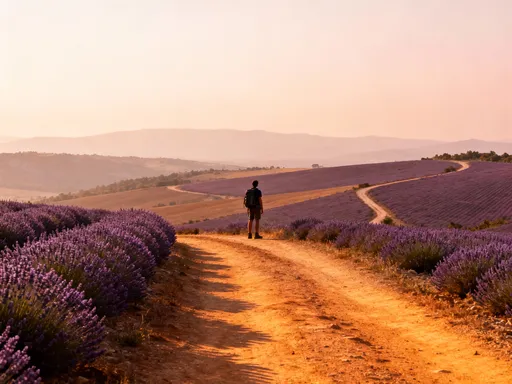
For many, the image of Provence is defined by sweeping purple waves of blooming lavender stretching toward the horizon. This vision, endlessly shared on social media, has turned lavender fields into pilgrimage sites. Yet behind the postcard-perfect scenes lies a reality few anticipate: the bloom is brief, the heat is intense, and the crowds can be overwhelming. Lavender in Provence typically reaches its peak between late June and early August, with slight variations depending on elevation and rainfall. The most photographed locations, such as the fields surrounding Sénanque Abbey near Gordes, draw thousands daily during peak season. Visitors often arrive before sunrise hoping to capture serene images, only to find dozens of tripods already in place.
What many don’t realize is that most of these fields are privately owned. While some farmers welcome respectful visitors, others post clear signs prohibiting entry. Trespassing in pursuit of a photo not only risks fines but damages crops and strains relationships with local communities. Additionally, walking through fields during peak heat—often exceeding 95°F (35°C)—can be physically taxing, especially for families with children or older travelers. The romance of the moment quickly fades when you're dehydrated and lost on a dirt path with no shade.
Fortunately, there are alternatives. Lesser-known regions like the plateau of Valensole, while still popular, offer wider spaces and multiple access points that disperse crowds. Further east, near Banon and Forcalquier, smaller farms nestled in rolling hills provide more intimate encounters. Some family-run operations even open their fields for visitors during harvest season, offering guided tours and demonstrations of traditional distillation. These experiences shift the focus from passive viewing to active appreciation, allowing travelers to understand the labor and heritage behind the bloom. Timing also plays a crucial role—visiting on weekday mornings in early July often yields the best balance between full bloom and manageable foot traffic.
The key is adjusting expectations. Lavender is not a static backdrop; it’s a living crop with a seasonal rhythm. By treating it as part of a broader agricultural landscape rather than just a photo op, visitors gain a deeper connection to the region’s identity. The scent carried on warm air, the hum of bees, and the sight of farmers at work—all these elements contribute to a richer experience than any single snapshot can capture.
Chasing the Postcard: Overrated vs. Underrated Spots
Provence is filled with viewpoints immortalized in travel magazines and online galleries. Places like L’Émirat in the Gorges du Verdon are routinely described as “Europe’s Grand Canyon” and attract hikers from around the world. While the limestone cliffs and turquoise river below are undeniably impressive, the reality of visiting can be less inspiring. Parking lots fill by 8 a.m., shuttle services operate at capacity, and the final descent to the overlook involves navigating narrow, crowded paths with limited railings. The sense of awe can quickly give way to frustration, especially when the view is partially blocked by selfie sticks and backpacks.
Yet just a few miles away, trails like the Sentier Martel offer a far more immersive experience. Carved into the cliffside over a century ago, this path descends deep into the gorge, winding past waterfalls, shaded alcoves, and crystal-clear swimming holes. Because it requires a longer commitment—typically four to six hours round-trip—it naturally filters out casual sightseers. The result is a quieter, more contemplative journey through one of France’s most dramatic landscapes. Hikers walk beside the Verdon River, cooled by mist and the sound of rushing water, with opportunities to pause and swim in designated areas.
Similarly, the village of Roussillon is famed for its ochre cliffs and vibrant pigments, drawing buses of tourists who follow a marked trail through the Ochre Trail (Sentier des Ocres). While the colors are striking, the path is short and often congested. A more rewarding alternative is the less-visited plateau near Apt, where hiking routes through abandoned quarries reveal layers of red, yellow, and brown earth with minimal foot traffic. These areas, though not as widely advertised, offer the same geological wonder without the queues.
The lesson here is not to avoid famous sites altogether, but to balance them with quieter counterparts. Pairing a morning at L’Émirat with an afternoon on the lower trails of the Gorges allows for both iconic views and personal discovery. The most meaningful moments in nature often occur when you’re not surrounded by crowds—when you can hear your own breath, feel the texture of sun-warmed rock, and sense the scale of the landscape without distraction.
Weather & Terrain – Nature’s Hidden Challenges
Provence’s reputation for sunshine and blue skies is well earned, but it also masks significant challenges for outdoor exploration. Summer temperatures regularly climb above 90°F (32°C), and in regions like the Luberon and Alpilles, the combination of heat, low humidity, and rocky terrain can make hiking hazardous without proper preparation. Heat exhaustion is a real risk, particularly on exposed trails with little shade. Trails that appear manageable on maps can become grueling under midday sun, especially for those unaccustomed to Mediterranean conditions.
Equally important is understanding seasonal fire risk. Much of Provence is covered in dry scrubland—known locally as garrigue—composed of aromatic herbs like thyme, rosemary, and cistus. While beautiful, this vegetation is highly flammable during the summer months. Authorities frequently issue fire bans, and certain trails may be closed without notice during high-risk periods. In extreme cases, entire areas have been evacuated due to fast-moving wildfires, particularly in the hills surrounding towns like Saint-Tropez and Aups. Travelers should check local prefecture websites or visitor centers for up-to-date trail conditions before setting out.
Spring and fall offer more favorable conditions, with mild temperatures and lush greenery. However, these seasons come with their own considerations. After heavy rains, dirt paths can become slippery or impassable, especially in clay-rich areas of the Luberon. Flash floods, though rare, are possible in narrow gorges. Hikers should avoid descending into riverbeds during or immediately after storms, as water levels can rise rapidly.
Proper gear is essential year-round. Sturdy footwear with good grip is non-negotiable, particularly on rocky or uneven terrain. Carrying at least two liters of water per person, wearing a wide-brimmed hat, and applying sunscreen are basic but often overlooked precautions. Lightweight, breathable clothing in light colors helps regulate body temperature. For longer hikes, packing a small first-aid kit, a physical map (in case GPS fails), and a fully charged phone with offline maps can make a critical difference in emergencies.
The Photography Trap – When Scenery Becomes a Performance
In the age of social media, capturing the perfect image has become a central goal of travel. In Provence, this desire often leads to troubling behaviors. Lavender fields are trampled underfoot as visitors step over ropes and ignore “No Trespassing” signs to get closer to the blooms. Drones buzz over private property, disturbing wildlife and residents alike. At scenic overlooks, people lean dangerously over guardrails or climb onto unstable rocks for dramatic angles, putting themselves and others at risk.
Beyond personal safety, these actions have broader consequences. Repeated foot traffic compacts soil and damages plant roots, reducing future yields for farmers who depend on lavender as a cash crop. In some areas, local authorities have begun restricting access or imposing fines due to environmental degradation. The village of Sault, once open to casual visitors, now regulates field access during peak bloom, directing tourists to designated viewing areas.
Responsible photography is not about eliminating pictures—it’s about shifting the mindset from conquest to respect. Using a zoom lens from public roads or marked paths allows for stunning images without intrusion. Engaging with landowners, when possible, can lead to unique opportunities: some farmers offer paid access to their fields for photography during off-peak hours, creating a win-win for visitors and the local economy.
There’s also value in putting the camera down. Moments of quiet observation—watching light shift across a valley, listening to cicadas pulse in the heat, feeling a breeze carry the scent of wild herbs—often leave a deeper impression than any photograph. These sensory experiences form the true memory of a place, one that isn’t filtered through a screen. Encouraging this kind of presence helps preserve both the landscape and the authenticity of the journey.
Transportation Struggles – Getting There Isn’t Always Half the Fun
The rural charm of Provence comes with a logistical reality: limited public transportation. While major towns like Avignon and Aix-en-Provence are well connected by train, reaching remote natural sites often requires a car. This necessity introduces its own set of challenges. Village streets are frequently narrow, one-way, and lined with parked vehicles, making navigation difficult even for experienced drivers. GPS systems can fail in mountainous areas, leading travelers down unpaved farm tracks or dead-end roads.
Parking is another persistent issue. Popular trailheads and scenic viewpoints often have small lots that fill by mid-morning. In places like Roussillon and Gordes, unauthorized parking results in fines or towing. Some villages have implemented timed entry systems during peak season to manage congestion, requiring advance reservations for drivers.
Renting a car with a manual transmission is common in France, which can be a barrier for some international travelers. Ensuring you’re comfortable with stick-shift driving is essential, especially when navigating steep, winding roads. Additionally, fuel stations in remote areas may be sparse, so refueling in larger towns before heading into the countryside is wise.
For those hesitant to drive, guided tours and seasonal shuttle services offer alternatives. Local operators run small-group excursions to the Gorges du Verdon, Luberon villages, and lavender fields, often including expert commentary and guaranteed parking. While less flexible than independent travel, these options reduce stress and provide access to areas that would otherwise be difficult to reach. Biking is another possibility in flatter regions, with rental shops in towns like Apt and Manosque offering electric assist models ideal for hilly terrain.
Seasonal Surprises – What Travel Guides Don’t Tell You
Most travel brochures highlight Provence in summer, but this season comes with trade-offs. Beyond the heat and crowds, many natural elements change dramatically outside peak months. In spring, the landscape bursts with wildflowers—rockroses, poppies, and orchids—before the summer drought sets in. This is also the season when waterfalls are fullest and rivers run high, creating dynamic scenery in the gorges.
Fall brings a softer beauty. Lavender may be gone, but olive harvests begin, and vineyards glow gold. The light takes on a honeyed quality, ideal for photography without the harsh contrast of summer sun. Temperatures cool, making long hikes more enjoyable, and many festivals celebrate local agriculture, from truffle markets to wine tastings.
Winter is often overlooked, yet it offers unique rewards. Snow-dusted peaks contrast with evergreen pines, and villages feel more authentic without tourist throngs. Some trails remain open, particularly at lower elevations, and thermal springs in areas like Uzès provide soothing respites. While certain attractions close for the season, this quiet period allows for deeper engagement with local life.
The key is planning with flexibility. Instead of chasing a single ideal image, embracing Provence’s seasonal rhythms leads to a more nuanced understanding of its natural cycles. Each time of year tells a different story—one of growth, abundance, rest, or renewal.
Finding Real Connection – Beyond the Scenic Overlooks
True appreciation of Provence’s nature comes not from checking off landmarks, but from slowing down and engaging with the landscape on a human scale. Walking a quiet path through an olive grove, where ancient trees twist skyward, fosters a sense of continuity and resilience. Visiting a family-run farm to learn about honey production or organic herb cultivation connects travelers to the land’s sustenance and culture.
Local guided walks, often led by naturalists or retired farmers, offer insights no brochure can provide. These stewards share knowledge of plant uses, animal behaviors, and seasonal changes passed down through generations. They point out the difference between true lavender and lavandin, explain how mistral winds shape tree growth, and identify bird calls hidden in the rustling leaves.
Participating in sustainable tourism initiatives—such as farm stays, eco-trails, or citizen science projects—further deepens the experience. These activities emphasize reciprocity: visitors give attention and respect, and in return, gain access to a more authentic, layered Provence. It’s in these moments—sipping herbal tea on a terrace overlooking silent hills, or helping gather rosemary for drying—that the landscape reveals its soul.
Conclusion
Provence’s natural beauty is undeniable—but it’s not always easy, flawless, or convenient. The magic lies in seeing it honestly, preparing wisely, and choosing depth over check-ins. When you move beyond the pitfalls—crowds, heat, misaligned expectations—what remains is a landscape that rewards patience, respect, and curiosity. Let the real Provence surprise you. Walk its quieter paths, listen to its rhythms, and discover that the most lasting memories are not the ones you post, but the ones that quietly take root in your heart.