You’ve Never Seen Seattle Like This – Hidden Hangouts Only Locals Know
Think you know Seattle? Think again. Beyond the Space Needle and Pike Place Market lies a quieter, quirkier side of the city that most tourists miss. I’m talking about cozy bookshops with secret reading nooks, misty waterfront trails at dawn, and coffee spots where baristas remember your name. These off-the-radar spots aren’t just places to relax—they’re where the city breathes. If you're looking for real moments over photo ops, let me show you the Seattle only locals whisper about. This is a city of quiet rhythms, of evergreen whispers and steam curling from ceramic mugs in sunlit corners. Here, travel isn’t about ticking boxes. It’s about sinking into the hush between the raindrops and discovering a version of Seattle that reveals itself only to those who wander with intention.
The Allure of Offbeat Relaxation in Seattle
In an age of hyper-connected itineraries and curated social media feeds, the idea of slowing down has become a quiet revolution in travel. Seattle, with its natural embrace of water, forest, and cloud-dappled skies, is uniquely suited to this shift. The city’s most meaningful experiences often unfold far from the well-trodden paths of tourist maps. While the Space Needle draws eyes upward and Pike Place Market dazzles with flying fish and flower stalls, the soul of Seattle hums in its side streets, tucked-away parks, and neighborhood corners where life moves at a gentler pace.
Travelers are increasingly seeking authenticity over spectacle. This isn’t about rejecting iconic landmarks—it’s about balance. A growing number of visitors are choosing mindful exploration: walking without a destination, sitting on a bench just to watch the world pass, or striking up a conversation with a local shopkeeper. In Seattle, this approach is rewarded. The city’s culture values introspection, creativity, and connection to nature, all of which are mirrored in its hidden retreats. These spaces invite a different kind of engagement—one rooted in presence rather than performance.
There is emotional richness in discovering a place on its own terms. When you step away from the crowds, you allow yourself to be surprised. You notice the way sunlight filters through cedar trees in a quiet park, or how a neighborhood café smells of cinnamon and freshly ground beans at 8 a.m. These sensory details form lasting memories far more vivid than any snapshot. Moreover, visiting lesser-known spots supports local businesses and reduces pressure on over-visited attractions. It’s a form of travel that honors both the destination and the traveler’s inner need for calm and clarity.
A Hidden Waterfront Escape: Discovery Park’s Quiet Shores
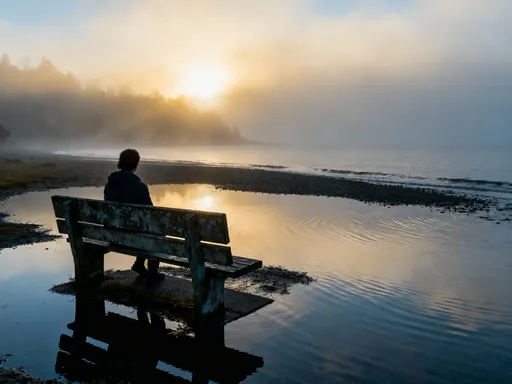
Just twenty minutes from downtown, Discovery Park unfolds like a secret kept by the city’s most devoted residents. While many visitors follow the main Loop Trail, those in the know drift toward the park’s western edges, where forest paths open onto secluded stretches of shoreline along Puget Sound. At dawn, when fog drifts in like breath over the water, this part of the park feels untouched—a place where time slows and the only sounds are waves lapping against stone and the distant call of a loon.
The South Beach and North Beach access points offer some of the most peaceful waterfront views in Seattle. Trails wind through salal and sword fern, emerging at rocky outcrops perfect for sitting and watching ferry boats glide across the gray-blue water. On clear mornings, Mount Rainier rises in the distance, its snow-capped peak glowing faintly in the early light. Fewer people come here in winter, but those who do are rewarded with storm-watching vistas—waves crashing dramatically against the cliffs, sea spray catching the wind like lace.
For the most serene experience, arrive between 7:00 and 8:30 a.m., especially on weekdays. Parking near the West Point Lighthouse is limited, so arriving early ensures a spot. Alternatively, consider using public transit or biking in from Magnolia. Wear waterproof shoes—mud is common on the narrower trails—and bring a light rain jacket, even in summer. Pack a thermos of tea or coffee, a small notebook, and perhaps a sandwich wrapped in foil. Find a driftwood log facing the water and simply sit. This is not a place to rush through. It’s a place to listen, to breathe, to remember what stillness feels like.
Discovery Park is also home to diverse wildlife. Keep an eye out for great blue herons stalking the shallows, harbor seals bobbing near the rocks, and songbirds flitting through the underbrush. The park’s 534 acres include meadows, forests, and tidal beaches, making it one of the most ecologically rich urban parks in the United States. Its preservation is a testament to Seattle’s commitment to green space, and visiting its quieter corners is a way to honor that legacy.
Coffee Culture Beyond the Chains: Independent Cafés with Soul
Yes, Seattle is the birthplace of a global coffee giant, but the city’s true coffee culture thrives in its independent cafés—small, thoughtful spaces where the ritual of brewing is treated with reverence. In neighborhoods like Ballard, Capitol Hill, and West Seattle, local roasters pour care into every cup, sourcing beans from ethical farms and roasting in small batches. These cafés are not designed for grab-and-go. They are meant to be lingered in, savored like a good book or a long conversation with an old friend.
Take, for example, a cozy spot in Ballard with warm wood accents, mismatched mugs, and a chalkboard listing the day’s single-origin pour-overs. The barista might ask how your week is going, not as a script, but because they’ve seen you here every Thursday morning for the past month. Laptops are welcome, but there’s an unspoken understanding: this is not an office. It’s a sanctuary. The hum of quiet conversation, the soft clink of spoons, and the occasional turn of a vinyl record create a soundtrack that feels both intimate and timeless.
Some cafés host poetry readings on Sunday afternoons or dedicate an evening each week to vinyl listening hours, where patrons can browse a curated collection of records while sipping on honey lavender lattes. These events aren’t marketed heavily—they’re shared by word of mouth, often through a simple flyer taped to the door. They reflect a culture of community, not commerce. In Capitol Hill, a tucked-away café might feature rotating art from local painters on its walls, with monthly gatherings where artists speak about their work over espresso.
Supporting these spaces means supporting a slower, more intentional way of life. When you choose a neighborhood café over a chain, you’re not just buying coffee—you’re investing in a place that values connection, creativity, and craftsmanship. And for the traveler, these moments of unhurried enjoyment—sipping a perfectly balanced flat white while watching rain slide down the window—become touchstones of the journey.
Book Lovers’ Sanctuaries: Cozy Libraries and Indie Bookshops
In a world of digital overload, there is something profoundly comforting about stepping into a quiet room filled with books. Seattle’s neighborhood libraries and independent bookshops offer more than reading material—they provide refuge. These are spaces where time feels suspended, where the only urgency is the turning of a page. The Greenwood Branch Library, for instance, is a beloved haven with tall windows, wooden shelves, and a reading nook tucked beside a large ficus tree. On rainy afternoons, it’s common to see locals curled up with novels, children flipping through picture books, or seniors doing crossword puzzles in the sunlit corner.
Independent bookstores in Seattle often feel like someone’s living room—warm, slightly cluttered, and full of personality. One in West Seattle has armchairs so deep you might lose yourself in them, a resident cat named Miso who naps on the counter, and a section dedicated entirely to Pacific Northwest authors. The owner remembers regulars by name and can recommend a novel based on a single sentence about your mood. These shops are more than retail spaces—they are community hubs, places where people gather not just to buy books, but to belong.
Visiting these sanctuaries requires a quiet respect. Speak in soft tones, handle books gently, and avoid loud phone calls. If you take a photo, ask permission first—many of these spaces are small and personal. When possible, support them by purchasing a book, even a small one. A bookmark, a journal, or a used novel can make a difference. Some stores host weekly story hours for children or evening readings for adults, events that strengthen the fabric of the neighborhood.
For travelers, these bookish retreats offer a sense of grounding. Flipping through a book about local history or picking up a novel set in Seattle can deepen your connection to the city. And if you’re traveling with children, these spaces provide a calm alternative to noisy attractions. A few hours spent browsing shelves, sipping tea from a thermos, and reading under a blanket can become one of the most cherished parts of a trip—not because it was planned, but because it felt true.
Urban Nature Retreats: Secret Gardens and Green Spaces
Amid Seattle’s urban landscape, hidden gardens bloom like quiet promises. These are places where nature is not just preserved, but celebrated with intention and artistry. The Kubota Garden in South Seattle is one such gem—a 20-acre Japanese garden created over decades by the Kubota family. Stone lanterns peek through moss-covered maples, koi glide beneath wooden bridges, and carefully placed boulders suggest mountains in miniature. Unlike more formal gardens, Kubota feels lived-in, intimate, as if it has grown naturally from the land.
Seasons shape the experience here. In spring, cherry blossoms drift like snow over the pond. Summer brings lush greenery and the hum of dragonflies. Autumn sets the maples ablaze in red and gold, while winter reveals the garden’s quiet bones—bare branches tracing patterns against gray skies, mist rising from still water. On quiet weekdays, you might have entire paths to yourself, the only sound the crunch of gravel underfoot.
Another sanctuary lies within the Washington Park Arboretum, particularly along the lesser-traveled paths near Foster Island. Boardwalks stretch over wetlands, offering views of herons, turtles, and native plants like skunk cabbage and red osier dogwood. The Arboretum is jointly managed by the University of Washington and the city, making it a living classroom as well as a retreat. Interpretive signs share knowledge about local ecology, but the real lesson is in the silence—the way the mind settles when surrounded by trees and water.
These green spaces are not just beautiful—they are essential. Studies have shown that time in nature reduces stress, improves mood, and enhances focus. In a city where drizzle is common and indoor time is frequent, these gardens offer a vital counterbalance. They remind us that peace is not found in the absence of noise, but in the presence of something deeper: the rustle of leaves, the glide of a fish, the slow unfurling of a fern. For visitors, a walk through one of these gardens is not a detour—it’s a destination.
Art and Quiet: Low-Key Cultural Spots That Inspire Stillness
Seattle’s art scene is often associated with bold public sculptures and bustling galleries, but some of its most moving experiences happen in quieter corners. Artist studios tucked into converted warehouses in Georgetown, small galleries in historic buildings, and unmarked installations in alleyways—all offer moments of reflection without the pressure of performance. These spaces are designed not for crowds, but for contemplation.
One such spot is a collective studio in the Central District where natural light floods through high windows onto canvases in progress. Visitors are welcome by appointment, and artists often pause to discuss their work—about how a painting began with a memory of childhood summers or how a sculpture was shaped by the sound of rain on a tin roof. These conversations are unhurried, intimate, and revealing. They remind us that art is not just something to be seen, but something to be felt.
First Thursday art walks in Pioneer Square offer another gentle way to engage with the city’s creativity. Galleries open their doors, wine is served in paper cups, and neighbors mingle with visitors. But unlike typical gallery openings, many of these events maintain a calm atmosphere. Music is soft, lighting is warm, and there’s space to stand in front of a piece without being jostled. It’s possible to spend ten minutes with a single photograph, letting its meaning unfold slowly.
Public art installations, too, can be deeply personal. A mosaic tucked into a bus stop, a poem engraved on a sidewalk, a sculpture of twisted metal that looks like a tree in winter—these small interventions invite pause. They ask nothing of you but a moment of attention. In a city that values both innovation and introspection, these quiet artistic expressions are a natural extension of its spirit. For the traveler, they offer a way to connect with Seattle’s creative soul without ever stepping into a museum.
Putting It All Together: Planning Your Own Low-Key Seattle Day
Imagine a day in Seattle that unfolds like a quiet melody. Begin at dawn with a walk along the western shore of Discovery Park, the air crisp, the world still half-asleep. Watch the light rise over Puget Sound, then head to a neighborhood café in Ballard for a warm croissant and a pour-over coffee. Spend an hour reading or journaling, letting the morning settle into your bones.
Afterward, take the bus or ride a bike to the Kubota Garden. Wander the paths slowly, pausing to watch koi swirl beneath a wooden bridge. Bring a light sweater—gardens are often cooler than the city streets. In the early afternoon, visit an independent bookstore in West Seattle. Browse the shelves, perhaps pick up a novel by a local author, and enjoy a quiet chat with the owner. If it’s raining, this is the perfect kind of day for it—windows fogged, tea steaming, stories waiting.
As afternoon turns to evening, head to Pioneer Square for the First Thursday art walk. Sip a glass of wine in a small gallery, listen to an artist speak about their process, and let the creativity of the city wash over you. End the day at a quiet café with live acoustic music—nothing loud, just a guitarist playing folk songs while people listen in comfortable silence.
Transit in Seattle is reliable, and many of these locations are accessible by bus or light rail. Use the ORCA card for easy travel, or rent a bike for a more immersive experience. Allow extra time between destinations—not to stick to a schedule, but to leave room for the unexpected. Maybe you’ll stumble upon a farmers market, hear street musicians playing near a park, or be invited to a small community event. These unplanned moments often become the heart of a trip.
The key to this kind of travel is flexibility. Don’t over-schedule. Let the city guide you. Say yes to a recommendation from a barista, follow a path that looks interesting, sit on a bench just because it faces the water. This is how you move through Seattle not as a tourist, but as a temporary local—one who has learned to listen, to pause, to be present.
Seattle’s true charm isn’t in its postcard views—it’s in the hushed moments between them. These quiet, authentic spaces invite travelers to pause, breathe, and connect. By choosing depth over check-ins, you don’t just visit Seattle—you feel it. So next time you’re here, skip the crowd. Find your bench by the water, your corner in a dusty bookstore, your moment of stillness. That’s where the city reveals itself.