You Won’t Believe What I Ate in Berlin – A Local Food Adventure Like No Other
Berlin’s food scene blew my mind. I didn’t expect a city known for history to serve such bold, diverse flavors. From sizzling currywurst at a midnight stand to a hidden Syrian kitchen dishing out life-changing kebabs, every bite told a story. This isn’t just eating—it’s connecting with cultures, one plate at a time. If you think German food is just sausages and beer, let me take you beyond the clichés. Berlin is a culinary mosaic, shaped by waves of migration, political change, and an unshakable spirit of reinvention. What you’ll find here isn’t frozen in tradition but constantly evolving, vibrant, and deeply personal. This is a city where food is not only sustenance but also identity, memory, and community.
The Real Taste of Berlin: More Than Just Sausages
Berlin’s food culture defies simple labels. While Germany is often associated with hearty meats, dark breads, and beer gardens, the capital tells a far more complex story. The city’s cuisine is a living reflection of its layered history and diverse population. Over the past century, waves of immigrants—from Turkish guest workers in the 1960s to Vietnamese families after the fall of the Berlin Wall, and more recently, Syrians, Ukrainians, and Iraqis—have transformed the city’s palate. Today, Berlin’s food identity is not defined by tradition alone but by fusion, adaptation, and bold experimentation. This multiculturalism isn’t just visible in neighborhoods like Neukölln or Wedding; it’s on every plate.
Traditional German dishes such as schnitzel, sauerkraut, and potato dumplings are still widely enjoyed, especially in family-run gastropubs and older establishments. However, these classics now share space with an extraordinary range of global flavors. A typical Berliner’s weekly meal rotation might include döner kebab for lunch, Vietnamese pho for dinner, and a weekend brunch featuring Middle Eastern dips and freshly baked German rye bread. This blending of culinary traditions reflects a broader cultural openness—one that values inclusion, affordability, and authenticity over formality or luxury.
The city’s street food culture is a perfect example of this spirit. Unlike the fine dining experiences found in other European capitals, Berlin thrives on casual, accessible, and often improvised food scenes. Food trucks, pop-up stalls, and sidewalk kiosks serve everything from halal doner to Korean tacos, often at prices under five euros. These low-cost, high-flavor options are not just for students or tourists; they are part of the daily rhythm of life for locals. The emphasis is on quality, speed, and flavor rather than presentation or prestige. In this way, Berlin’s food culture mirrors the city itself—unpretentious, dynamic, and constantly in motion.
Currywurst After Midnight: A Must-Try Ritual
No visit to Berlin is complete without tasting currywurst, especially after dark. This humble dish—consisting of a grilled or fried pork sausage sliced and smothered in a tangy, spiced ketchup topped with curry powder—is more than a snack; it’s a cultural institution. Born in post-war Berlin in 1949, currywurst emerged during a time of scarcity and creativity, when German cooks improvised with limited ingredients and Allied-supplied ketchup and curry powder. What began as a practical solution has become a symbol of Berlin’s resilience and resourcefulness.
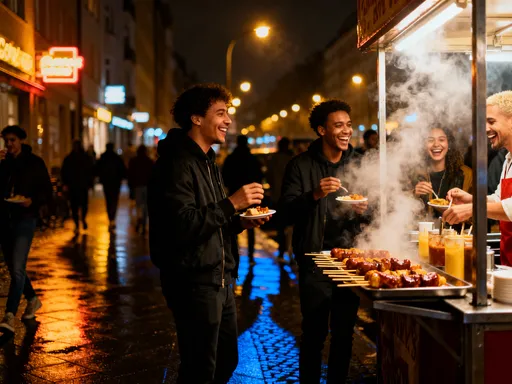
The best place to try currywurst is at a late-night stand in Kreuzberg or Mitte, where neon signs flicker and the air is thick with the scent of grilled meat and spices. One such spot, tucked between a record store and a bike repair shop, drew a line of locals well past midnight. The vendor, wearing a weathered apron, moved with practiced ease—slicing the bratwurst, ladling on the sauce, and dusting it generously with curry powder before sliding it into a paper tray with a side of crispy fries. Eating it standing up, balancing the tray on your knee, sauce dripping onto your fingers, is part of the experience. It’s messy, indulgent, and utterly satisfying.
What makes currywurst special is its simplicity and consistency. Unlike gourmet dishes that vary from chef to chef, currywurst follows a near-universal formula, yet each vendor adds a personal touch—the exact blend of spices, the thickness of the sauce, the crispiness of the sausage. Some purists insist on pork bratwurst, while others prefer a beef version. The sauce may be slightly sweet, sharply vinegary, or spicier than expected. These subtle differences turn the search for the “perfect” currywurst into a delicious urban quest. For many Berliners, it’s not just food—it’s comfort, nostalgia, and a shared ritual that transcends age, class, and background.
Hidden Kitchens: Where Immigrant Flavors Shine
Berlin’s most exciting meals often come from unassuming places—small storefronts with handwritten menus, family-run kitchens with no website, or food stands in quiet courtyards. These hidden kitchens are where immigrant communities express their heritage, adapt to new realities, and contribute to the city’s evolving food landscape. Turkish, Arab, Eastern European, and Southeast Asian cuisines are not just “ethnic options” in Berlin; they are integral to the city’s everyday dining culture. The influence is so deep that many Berliners consider döner kebab a local specialty, even though it originated in Turkey.
One unforgettable meal came from a Syrian-owned döner shop in Neukölln, where the line stretched down the block even on a chilly Tuesday evening. Inside, a father and his two sons worked behind the counter, slicing marinated lamb from a vertical rotisserie with precision. The bread was warm and freshly baked, the garlic sauce creamy but not overpowering, and the addition of pickled turnips gave the sandwich a bright, tangy crunch. A customer mentioned that the family had fled Aleppo five years earlier and opened the shop with savings and help from the local community. Every bite carried not just flavor but history—of displacement, resilience, and rebuilding.
Similar stories can be found across the city. In Wedding, a Vietnamese family runs a small pho restaurant that opens at dawn, serving steaming bowls to construction workers and night-shift nurses. In Friedrichshain, a Polish grandmother sells handmade pierogi from a weekend market stall, using a recipe passed down from her mother. These eateries are not designed for Instagram—they’re built for community. They offer affordable, nourishing food in welcoming spaces where language barriers fade over shared meals. For visitors, seeking out these spots means moving beyond tourist zones and experiencing Berlin as locals do: with curiosity, respect, and an open mind.
Markthalle Neun: A Food Lover’s Playground
If there’s one place that captures the energy and diversity of Berlin’s food scene, it’s Markthalle Neun in Kreuzberg. This historic market hall, originally built in the 1890s, has been reinvented as a hub for food innovation, sustainability, and community connection. While it operates as a traditional market during the week, its most famous event is Street Food Thursday, when dozens of vendors from around the city gather to showcase their creations. The atmosphere is electric—music plays, friends reunite, and the air is filled with the mingling aromas of grilled meats, fresh herbs, and sizzling spices.
Walking through the market, it’s impossible not to sample everything. A stall from a Vietnamese-Berliner chef offers banh mi sandwiches with pickled daikon, cilantro, and homemade chili sauce on a crisp baguette. Nearby, a young entrepreneur serves Polish pierogi stuffed with potato and cheese, pan-fried until golden and served with sour cream. Another vendor specializes in modern vegan bowls—colorful plates of roasted vegetables, fermented kimchi, and tahini dressing that appeal to both vegetarians and meat-eaters alike. The variety is staggering, yet nothing feels gimmicky. Each dish reflects a personal story, a cultural heritage, or a creative twist on tradition.
What sets Markthalle Neun apart is its commitment to supporting local talent and sustainable practices. Many vendors use organic ingredients, compostable packaging, and seasonal produce sourced from regional farms. The market also hosts workshops, cooking classes, and community dinners that bring people together around food. It’s not just a place to eat; it’s a space for learning, sharing, and building connections. For visitors, a visit to Markthalle Neun offers a microcosm of Berlin itself—diverse, inclusive, and endlessly inventive. Arriving early is wise, as popular stalls often sell out by 8 p.m.
Vegan Berlin? Yes, and It’s Delicious
Berlin has earned a reputation as one of the most vegan-friendly cities in Europe, if not the world. With over 80 fully plant-based restaurants and countless vegetarian options, the city caters to meat-free eaters without compromise. This isn’t just a trend—it’s a deeply rooted part of Berlin’s food culture, fueled by environmental awareness, animal welfare concerns, and a creative culinary scene that thrives on alternatives. Even traditional German dishes have been reimagined: think veggie schnitzel made from mushrooms or lentils, creamy cashew-based cheeses, and rich chocolate cakes free of dairy and eggs.
A meal at a cozy vegan bistro in Prenzlauer Berg revealed just how sophisticated plant-based dining has become. The menu featured a seasonal risotto with wild mushrooms and roasted squash, a hearty lentil stew with smoked paprika, and a dessert menu that included a decadent cashew cheesecake with berry compote. Every dish was prepared with care, balancing flavor, texture, and presentation. What stood out was not the absence of meat or dairy but the abundance of taste. The chef, a former meat-eater who transitioned to veganism a decade ago, explained that her goal was not to imitate animal products but to celebrate plants in their own right.
Berlin’s vegan culture extends beyond restaurants. Supermarkets stock a wide range of plant-based milks, meat substitutes, and ready-made meals. Bakeries offer vegan croissants and cinnamon rolls. Even traditional Christmas markets now include vegan versions of classics like bratwurst and stollen. This inclusivity reflects a broader social value—respect for personal choice and sustainability. For visitors, exploring Berlin’s vegan scene is not about dietary restriction but about discovery. It’s an invitation to try something new, to rethink assumptions about flavor, and to experience a side of the city that prioritizes care—for animals, for the planet, and for community.
From East to West: How History Shapes the Plate
The division of Berlin during the Cold War left a lasting imprint on the city’s food culture. While West Berlin enjoyed access to Western markets and international goods, East Berlin operated under a socialist economy with limited ingredients and state-run canteens. This history explains why certain dishes and dining habits persist today. In former East Berlin neighborhoods like Pankow and Lichtenberg, you’ll still find simple, hearty meals focused on affordability and sustenance—dishes like *Eisbein* (pork knuckle), *Kartoffelpuffer* (potato pancakes), and *Sauerkraut* served in unpretentious *Kneipen* (pubs) with minimal decor and warm service.
One evening, I joined a group of locals at a traditional *Kneipe* in Friedrichshain, where we shared a platter of *Eisbein*—slow-cooked pork knuckle with crispy skin, served with mashed peas and a dark beer. The dish was rich, filling, and deeply comforting, the kind of meal designed to warm you on a cold Berlin night. The owner, who had worked in an East German factory before the Wall fell, said he kept the menu simple because “people want good food, not a show.” The prices were low, the beer was cold, and the conversation flowed easily. There was a sense of continuity—a link between past and present, between survival and celebration.
Since reunification, the food cultures of East and West have blended, creating new possibilities. Former East Berlin has become a hotspot for affordable dining, attracting young chefs who open experimental restaurants in repurposed factories and schools. At the same time, ingredients once rare in the East—olive oil, fresh fish, tropical fruits—are now widely available. Yet, the spirit of practicality and generosity endures. Berliners still value meals that are honest, satisfying, and shared. This historical duality—between scarcity and abundance, tradition and innovation—gives the city’s cuisine its depth and authenticity.
Eating Like a Local: Tips for Authentic Food Adventures
To truly experience Berlin’s food culture, it’s essential to move beyond tourist hotspots and seek out neighborhood gems. The best meals are often found where locals eat—on side streets, in courtyards, or at markets without English menus. One effective way to discover these spots is by joining a walking food tour led by a Berliner who knows the city’s culinary secrets. These tours not only introduce you to hidden restaurants but also provide context about immigration, history, and daily life. They’re especially valuable for first-time visitors who want guidance without sacrificing authenticity.
Another useful tool is local food apps and review platforms that highlight underrated spots. Apps like Lieferando and Jajam show real-time customer ratings and photos, helping you identify places with long lines and high repeat visits—strong indicators of quality. Social media accounts run by Berlin food bloggers also offer up-to-date recommendations, from seasonal specials to pop-up events. However, nothing beats asking residents for advice. Strike up a conversation at a café, market, or park, and you’ll likely hear passionate recommendations for a favorite kebab shop, bakery, or family restaurant. Berliners are often eager to share their city’s flavors with curious visitors.
When exploring, keep an eye out for certain signs of authenticity: handwritten menus, cash-only payment, limited seating, and a diverse clientele. Avoid places with large digital menus in multiple languages or staff handing out flyers. These are often designed for tourists and may lack the soul of a true local spot. Instead, follow your nose—the smell of grilled meat, fresh bread, or roasting spices is the most reliable guide. And don’t be afraid to try something unfamiliar. Berlin’s food scene thrives on curiosity, openness, and the joy of discovery.
Berlin taught me that the best meals aren’t just about taste—they’re about people, history, and openness. The city’s cuisine doesn’t shout; it invites. Whether it’s a €3 kebab or a market-fresh tart, each bite carries a piece of Berlin’s soul. Next time you visit, skip the guidebook favorites. Follow the scent of grilled meat, the buzz of a crowded stand, and let your stomach lead the way. That’s where the real Berlin lives.