You Won’t Believe What I Ate in St. Moritz
St. Moritz isn’t just about snowy peaks and luxury hotels—its food scene blew me away. From cozy mountain huts to elegant fine dining, every bite felt like a celebration of Alpine tradition and modern flair. I didn’t expect to fall in love with a potato dish or sip wine with a view that made me speechless. This is more than a ski trip—it’s a culinary journey you need to experience.
Arrival in St. Moritz: First Impressions of a Winter Wonder
As the train glided into St. Moritz, the landscape unfolded like a postcard brought to life. Snow-laden pine trees bowed under soft white caps, and the stillness of the frozen lake shimmered under a pale winter sun. Elegant chalets with steeply pitched roofs and ornate wooden balconies lined the streets, their windows glowing with warm light. The air was crisp and clean, carrying the faint scent of woodsmoke—a sensory prelude to the comforts awaiting inside. There’s an unmistakable aura of refinement here, shaped by over a century of drawing discerning travelers from across Europe, yet the town retains a welcoming charm that puts visitors at ease from the moment they arrive.
While St. Moritz is often associated with glamour and exclusivity, its hospitality feels genuine rather than performative. At a small café near the lake, I settled into a corner table by a frost-kissed window. The menu was modest: cured meats, rye bread, and a warm cheese dish served in a cast-iron pot. But what struck me most was the care in presentation and service. The server, wrapped in a thick wool apron, offered a knowing smile when I asked about the local specialty. This wasn’t just a meal—it was an introduction. The warmth of the room, the hum of quiet conversation, and the first bite of rich, nutty cheese melting over toasted bread signaled that this journey would be defined as much by flavor as by scenery.
That first lunch set the tone for what was to come: a destination where even the simplest meals are treated with reverence. There’s a deep respect for ingredients and tradition here, passed down through generations and adapted with thoughtful precision. Whether served on fine porcelain in a five-star hotel or in a chipped enamel bowl at a roadside hut, food in St. Moritz carries intention. It’s not merely sustenance; it’s an expression of place, history, and alpine resilience. For travelers seeking authenticity beneath the polish, these early moments offer a reassuring truth—luxury here doesn’t mean detachment. It means attention to detail, from the arrangement of herbs on a plate to the way a host remembers your preferred tea.
The Heart of Alpine Flavors: Traditional Dishes That Surprise
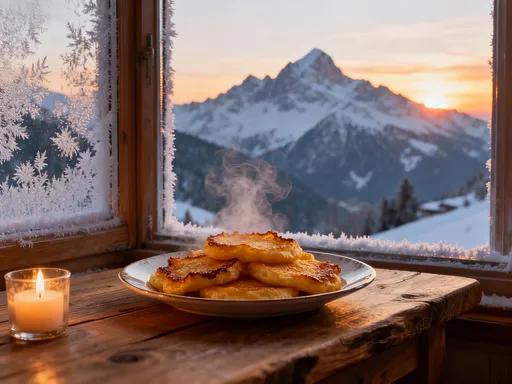
Beneath the glitz of St. Moritz lies a culinary soul rooted in simplicity and resourcefulness. The Engadin Valley, where the town resides, has long relied on hardy crops and preserved foods to endure long winters. Yet from these humble beginnings emerge dishes of surprising depth and character. One of the most emblematic is Maluns—shredded potatoes pan-fried until golden and crisp, then tossed with buttery bits of bacon and served with tangy apple compote or creamy Alpine cheese. At first glance, it sounds unassuming, even rustic. But the first bite reveals a harmony of textures and flavors: the crunch of the potato exterior giving way to a soft, almost fluffy interior, balanced by the sweetness of apples and the saltiness of cured meat.
I tried Maluns at a family-run inn tucked into a quiet side street, where the owner’s grandmother still helps prepare the dough for homemade bread each morning. As she placed the steaming plate before me, she said simply, “This is how we eat when the wind howls outside.” There was pride in her voice, not because the dish was extravagant, but because it carried generations of wisdom. Eating it felt like participating in a quiet ritual—one that honors the land, the season, and the rhythm of mountain life. It wasn’t just nourishing; it was grounding.
Other regional specialties echo this same philosophy. Capuns, for instance, are chard or cabbage leaves wrapped around a spätzle-like dough, simmered in broth, and topped with melted cheese. Pizokel, a type of dumpling made from potato and flour, is often served with fried onions, cheese, and apple sauce. These dishes don’t rely on exotic ingredients or complex techniques. Instead, they elevate what’s available—potatoes, dairy, grains, and foraged herbs—into something deeply satisfying. What makes them remarkable is not innovation for its own sake, but the refinement of tradition. Each recipe has been adjusted over decades, if not centuries, to achieve balance, warmth, and comfort—qualities that resonate especially in the cold months.
Dining with a View: Where Scenery Meets the Plate
In St. Moritz, the setting is never just a backdrop—it’s part of the meal. Some of the most memorable dining experiences occur in restaurants perched high above the valley, accessible by cable car or a short hike through snow-dusted trails. Imagine sitting at a wooden table near a wide window, a glass of deep red wine in hand, as the sun dips behind jagged peaks, painting the sky in hues of rose and gold. Below, the frozen lake glows under twilight, and the first lights of the village begin to twinkle. In moments like these, food becomes secondary—not in quality, but in focus. The landscape itself is the main course.
One such meal took place at a mountain lodge reachable only by a narrow funicular that climbs the slope of Corviglia. The interior was cozy: exposed beams, a crackling fireplace, and tables set with linen and candlelight. The menu featured modern interpretations of Alpine classics—reindeer carpaccio with juniper berries, venison stew with red wine reduction, and a potato gratin layered with herb-infused cream. Each dish was composed with precision, yet never felt fussy. The chef later explained that inspiration comes from what the mountains provide and what the season allows. “We don’t chase trends,” he said. “We listen to the land.”
Even in town, the connection between view and dining remains strong. Several lakeside restaurants offer panoramic terraces where guests can watch skaters glide across the ice while sipping consommé or enjoying a platter of local charcuterie. The experience is heightened by subtle details: the sound of distant bells from grazing cows, the warmth of a heated outdoor bench, the way candlelight reflects off snow-covered branches. These elements combine to create a sense of occasion, transforming an ordinary dinner into a cherished memory. It’s not just about eating well—it’s about being present, surrounded by beauty that feels both grand and intimate.
From Chalet Kitchens to Michelin Stars: The Range of Dining Options
St. Moritz offers a rare balance: a place where world-class gastronomy coexists with unpretentious village dining. At one end of the spectrum are the Michelin-recognized restaurants within luxury hotels, where multi-course tasting menus unfold like culinary symphonies. Here, chefs trained in Paris, Tokyo, and Copenhagen reinterpret Alpine ingredients with global techniques—think smoked trout with bergamot foam, or lamb loin with wild mushroom soil. Service is impeccable, pacing deliberate, and wine pairings curated with scholarly care. These experiences cater to those seeking refinement and discovery, where each dish tells a story of craft and creativity.
Yet just a short walk away, tucked into narrow lanes or nestled in quiet courtyards, are family-run eateries where the menu changes weekly based on what’s fresh and available. These spots may lack star ratings, but they possess something equally valuable: authenticity. One evening, I dined at a converted farmhouse where the owner greeted guests like old friends and the only reservation policy was “come early or come late.” The meal began with a bowl of steaming barley soup, followed by a shared platter of roasted pork, sauerkraut, and buttery spaetzle. Dessert was a warm plum cake served with a dollop of whipped cream—simple, generous, and deeply satisfying.
What unites these diverse experiences is a shared respect for quality and hospitality. Whether in a gilded dining room or a timbered tavern, service is attentive without being intrusive. Staff often speak multiple languages and take pride in explaining the origins of ingredients or the history behind a dish. Menus, even in fine dining establishments, tend to be concise, focusing on seasonal highlights rather than overwhelming choices. Wine lists are extensive, featuring not only Swiss vintages from nearby Graubünden but also selections from France, Italy, and Germany. The result is a dining culture that feels inclusive—where luxury is not about exclusivity, but about excellence accessible to those who seek it.
Local Ingredients and Seasonality: The Secret Behind the Taste
The true magic of St. Moritz’s cuisine lies in its foundation: the land itself. High-altitude pastures yield milk with a richness that transforms into butter, cream, and cheese of exceptional depth. Cows graze on wild herbs and alpine flowers, their diet subtly influencing the flavor of dairy products. Local cheesemakers still use copper vats and natural rennet, aging wheels for months in cool cellars where humidity and temperature are carefully monitored. The result is a range of cheeses—from mild, buttery varieties to sharp, pungent aged types—that form the backbone of many traditional dishes.
Meat is equally tied to the region’s rhythms. Game such as venison and chamois is hunted sustainably during regulated seasons, ensuring populations remain healthy while providing lean, flavorful meat. Cured meats are prepared using age-old methods: air-dried, smoked over beechwood, or spiced with juniper and garlic. These preservation techniques were born out of necessity but have evolved into culinary art forms. Even vegetables, though limited by the short growing season, are grown with care. Hearty root crops like potatoes, carrots, and turnips store well through winter, while greenhouse cultivation allows for limited greens and herbs year-round.
Many chefs emphasize traceability, often listing suppliers on menus or inviting guests to visit nearby farms. At one restaurant, a seasonal tasting menu included a note beside each course indicating the farm or forager responsible. “This honey comes from hives at 1,800 meters,” read one line. “The chanterelles were picked yesterday in the pine forest above Samedan.” Such transparency deepens the connection between diner and landscape, reinforcing the idea that food is not just consumed, but experienced as part of a larger ecosystem. Sustainability isn’t a marketing term here—it’s a practice woven into daily operations, from composting kitchen waste to using reusable packaging for take-home items.
Sweet Endings: Chocolate, Pastries, and Afternoon Rituals
No visit to Switzerland is complete without indulging in its world-renowned chocolate, and St. Moritz offers some of the finest expressions of this craft. Local confectioners and hotel patisseries take pride in their creations, blending rich cocoa with alpine honey, hazelnuts, and even floral notes from mountain herbs. I visited a small boutique where the chocolatier hand-painted each truffle with edible gold and offered samples of dark chocolate infused with lavender and rosemary. The textures were velvety, the flavors layered and precise—a far cry from mass-produced sweets.
Afternoon tea at a historic hotel became a daily ritual. Served in a grand salon with floor-to-ceiling windows overlooking the snow-covered garden, it included tiered trays of delicate pastries: raspberry mille-feuille, almond financiers, and warm chocolate croissants still puffing steam. Alongside, a pot of herbal tea—blended with local edelweiss and gentian—added a refreshing contrast. But the highlight was the chocolate fondue: a pot of melted Valrhona chocolate kept warm over a tea light, with skewers of fresh fruit, marshmallows, and pieces of cake for dipping. Sharing it with companions, laughter rising into the high ceiling, I understood how such moments become anchors in memory.
Desserts in restaurants are equally thoughtful. A warm apple tart might be served with vanilla ice cream made from Engadin milk, its surface glistening with caramelized sugar. A chocolate soufflé arrives puffed and trembling, accompanied by a shot of cherry liqueur to pour in before the first bite. These are not afterthoughts—they are conclusions worthy of the meal that preceded them. And in the quiet of a snow-covered evening, with only the sound of a crackling fire nearby, there’s something profoundly comforting about ending the day with sweetness, slowly, deliberately, savoring each bite as if time had slowed just for this.
Planning Your Own Culinary Escape: Practical Tips for Food-Lovers
For those dreaming of a culinary journey to St. Moritz, timing can make all the difference. The winter season, from December to March, offers the full alpine experience—crisp air, snowy vistas, and cozy indoor dining. It’s also when many seasonal specialties appear on menus, such as game dishes and hearty stews. February brings the White Turf horse races on the frozen lake, a social event that draws top chefs to pop-up restaurants and gourmet tents. Alternatively, late spring and early autumn offer milder weather and access to foraged ingredients like wild mushrooms and mountain herbs, ideal for travelers who enjoy hiking and farm visits.
When planning meals, advance reservations are highly recommended, especially for well-known restaurants and weekend dining. While last-minute walks-ins may succeed at casual spots, popular venues often fill weeks ahead during peak season. Dress codes vary: mountain huts welcome woolen sweaters and boots, while upscale restaurants expect smart casual or formal attire. It’s wise to check in advance to ensure comfort and respect for local customs.
Budget considerations are also important. Fine dining in St. Moritz can be expensive, with multi-course menus exceeding several hundred francs per person. However, excellent food doesn’t require a lavish budget. Many bakeries, markets, and mid-range restaurants offer high-quality meals at more accessible prices. Exploring village centers, visiting weekly farmers’ markets, and trying daily lunch specials can provide rich experiences without strain. Travelers should also consider staying in accommodations with breakfast included—Swiss morning spreads, with fresh bread, local jams, and creamy yogurt, are a meal in themselves.
Finally, the best culinary adventures often happen off the beaten path. While hotel restaurants deliver consistency, some of the most memorable meals occur in family-run inns, roadside dairy farms, or small wine cellars tucked into hillside villages. Speaking with locals, asking for recommendations, and being open to surprise can lead to discoveries no guidebook can guarantee. The essence of St. Moritz’s food culture isn’t just in its refinement, but in its warmth—the way a stranger offers a taste of homemade schnapps, or a chef steps out to explain how his grandmother taught him to make spaetzle. These moments of connection, woven into the fabric of daily life, are what make the journey truly unforgettable.
St. Moritz offers more than luxury—it delivers a deeply satisfying fusion of landscape, culture, and flavor. Each meal becomes a memory, woven into the silence of snow and the warmth of shared tables. It’s not just about eating well; it’s about feeling connected to a place through taste. For anyone seeking beauty on a plate, this Alpine haven is a must-visit.