You Won’t Believe What Rome’s Food Neighborhoods Are Hiding
Rome isn’t just about pasta and ruins—it’s a city where every neighborhood serves a different flavor of Italy. From the bustling market vibes of Testaccio to the artisanal gelato tucked in Trastevere alleys, food here tells a story. I wandered through cobblestone streets, tasted my way from dawn to dusk, and discovered how Rome’s quartieri each have their own culinary soul. This is more than eating—it’s experiencing Rome, one bite at a time.
The Heartbeat of Roman Cuisine: Why Food and Neighborhoods Go Hand in Hand
Rome’s food culture cannot be separated from its neighborhoods. Each district has evolved over centuries, shaped by history, class, trade, and local tradition, resulting in distinct culinary identities. Unlike cities where cuisine is centralized or homogenized, Rome’s food scene remains deeply rooted in community life. The trattoria around the corner, the family-run bakery opening at dawn, the street vendor serving fried snacks during rush hour—these are not just places to eat, but essential parts of daily rhythm. Food in Rome is lived, not performed, and to understand a neighborhood is to taste it.
Historically, Rome’s working-class areas developed hearty, inexpensive dishes using off-cuts and preserved ingredients, while wealthier districts favored refined preparations and imported goods. This socioeconomic divide still subtly influences what you’ll find on plates today. In Testaccio, once home to the city’s slaughterhouse, dishes like coda alla vaccinara (oxtail stew) and trippa alla romana (tripe in tomato sauce) remain staples. In Prati, near the Vatican, you’ll find elegant salumerias offering aged cheeses and delicate cured meats. These differences aren’t accidental—they’re legacies of how people lived, worked, and fed their families.
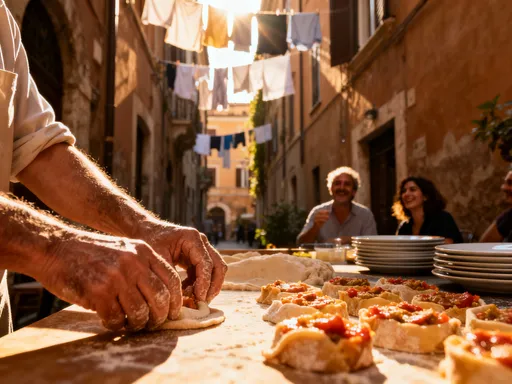
The true heartbeat of Roman cuisine lies in its accessibility. Meals are often shared among neighbors, passed down through generations, and prepared with pride rather than pretense. A grandmother’s handwritten recipe for amatriciana might be the foundation of a local trattoria, while a fourth-generation baker rises at 4 a.m. to knead dough for fresh maritozzi. These traditions are not curated for tourists—they are lived realities. To eat in Rome is to step into a living culinary timeline, where every bite connects you to the city’s past and present.
Understanding this connection transforms how you experience the city. Rather than chasing famous restaurants or viral dishes, you begin to explore with intention—seeking out the corner friggitoria where locals queue at noon, or the quiet piazza where nonnas gather for espresso. This is where authenticity thrives. The neighborhood becomes your guide, and food becomes your language. In Rome, cuisine isn’t just sustenance; it’s identity, memory, and belonging.
Testaccio: Where Butchers and Market Lovers Rule
If Rome has a culinary soul, it lives in Testaccio. Once the city’s slaughterhouse district, this neighborhood was where butchers, workers, and market vendors shaped a cuisine built on resourcefulness and flavor. Today, Testaccio remains one of Rome’s most authentic food destinations, a place where tradition is honored without theatricality. The air carries the scent of simmering tomatoes, frying pork, and fresh bread—an olfactory map of Roman working-class cuisine. At the heart of it all stands the Mercato Testaccio, a covered market that pulses with daily life.
The market is more than a shopping destination; it’s a cultural institution. Locals arrive early, moving with purpose from stall to stall—selecting handmade pasta, sampling cured meats, bargaining for seasonal vegetables. Butchers display cuts with pride, often explaining the best way to prepare each dish. One vendor might offer a sample of pecorino romano aged 18 months, while another slices thin pieces of guanciale for immediate tasting. The rhythm is unhurried yet efficient, a dance of familiarity and trust. For visitors, the market offers an unfiltered look at how Romans eat, shop, and interact with their food.
Inside the market, several small eateries serve lunch to workers, families, and curious travelers. Flavio al Velavevodetto, built into the side of the ancient Monte Testaccio (a man-made hill made of broken amphorae), offers classic Roman dishes like amatriciana and polpette al sugo (meatballs in tomato sauce). But the real stars of Testaccio’s table are its offal specialties. Trippa alla romana, made with tender tripe, tomatoes, mint, and pecorino, is a dish that divides visitors but delights locals. Similarly, coda alla vaccinara, a rich oxtail stew slow-cooked with carrots, celery, and wine, reflects the ingenuity of using every part of the animal—a tradition born from necessity and elevated to art.
Outside the market, small bakeries and fried food counters serve snacks that have sustained Romans for generations. Panini con la mortadella from a hole-in-the-wall sandwich shop or supplì al telefono (fried rice balls with mozzarella that stretches like a telephone wire) are perfect for a midday bite. Even the coffee here tastes different—strong, fast, and consumed standing at the bar, just like in any true Roman neighborhood. Testaccio doesn’t cater to trends. It honors its roots, and in doing so, offers one of the most honest food experiences in the city.
Trastevere: Cobblestones, Charm, and Late-Night Bites
Across the Tiber River, Trastevere unfolds like a postcard of Roman charm—narrow cobblestone streets, ivy-covered buildings, and piazzas that come alive at night. Once a working-class enclave, it has evolved into one of Rome’s most beloved neighborhoods, known for its bohemian spirit and vibrant food culture. While tourism has grown, Trastevere has managed to preserve its authenticity, especially when it comes to food. Behind unassuming doors and tucked into quiet alleys, family-run osterias and artisanal gelaterias continue to serve dishes passed down through generations.
The true magic of Trastevere’s cuisine lies in its intimacy. Many of the best restaurants have no signs, no websites, and no online reservations. They rely on word of mouth, regulars, and the occasional curious wanderer. Da Enzo al 29, a tiny trattoria near Santa Maria in Trastevere, is famous for its cacio e pepe and carciofi alla romana (Roman-style artichokes), both prepared with a precision that comes from decades of practice. The dining room seats no more than 20, and meals are served with a warmth that feels like visiting a relative’s home.
Gelato in Trastevere is another story altogether. While many shops cater to tourists with colorful displays and exaggerated flavors, a few remain dedicated to quality. Gelateria Fiorella, for example, uses seasonal ingredients and traditional methods to create smooth, intense flavors—from creamy zabaione to tangy limone di Sorrento. A cone enjoyed while strolling along Vicolo del Bologna at sunset is a quintessential Roman moment.
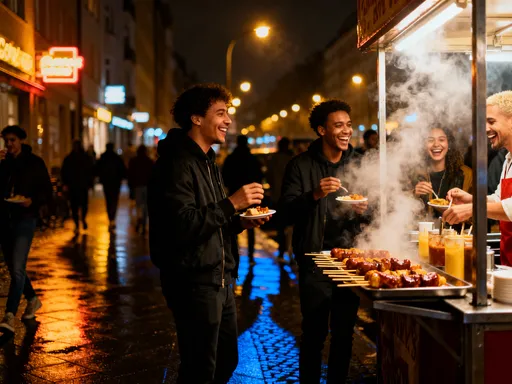
For late-night eaters, Trastevere delivers. After dinner, locals spill into piazzas with wine and snacks, and small friggitorie stay open, serving fried delights like supplì, olive ascolane (stuffed olives), and filetti di baccalà (fried cod). These are not bar foods—they are cherished traditions, eaten with hands, shared among friends. To experience Trastevere fully, visit in the early evening, before the dinner rush, and again after 10 p.m., when the neighborhood reveals its social heartbeat. Avoid restaurants with menus in five languages and plastic food displays; instead, follow the locals to crowded, noisy spots where laughter rings louder than music.
Campo de’ Fiori & Centro Storico: Morning Markets and Espresso Culture
In the heart of Rome’s historic center, Campo de’ Fiori bursts into life each morning as one of the city’s most vibrant open-air markets. From 7 a.m., farmers, florists, and food vendors set up stalls along the cobblestones, creating a colorful mosaic of seasonal produce, fresh herbs, and regional specialties. This is where Roman housewives, chefs, and food lovers come to shop with intention. Unlike supermarkets, where everything is pre-packaged and predictable, Campo de’ Fiori offers spontaneity—a basket of wild arugula here, a bundle of fresh mint there, a jar of sun-dried tomatoes made in Lazio.
The market is also a window into Roman daily rituals. Around 8:30 a.m., professionals in suits stop by for a quick espresso at one of the nearby cafes. They stand at the bar, down the shot in seconds, pay a few euros, and move on. This is the Roman way: efficient, respectful of time, and deeply embedded in routine. Sitting down for coffee costs more—not because of the drink, but because of the service. Locals know this; tourists often don’t. For a more authentic experience, order your caffè at the bar, pay at the register, and drink it standing. It’s cheaper, faster, and more culturally aligned.
Nearby, tucked between narrow streets leading to Piazza Navona, lie some of Rome’s best-kept culinary secrets. Tiny bakeries open early, filling the air with the scent of butter and sugar. Antico Forno Roscioli, though now famous, still operates with the humility of a neighborhood bakery. Their maritozzi—sweet buns filled with whipped cream—are legendary, especially during Easter, when they’re dusted with powdered sugar and served with a side of espresso. Equally delightful are their ricotta-filled croissants, made with fresh sheep’s milk cheese and a flaky, golden crust.
The Centro Storico, encompassing areas like Campo de’ Fiori, Piazza Navona, and the Pantheon, is often crowded with tourists. But with careful timing, it’s possible to experience its food culture like a local. Visit the market between 8 and 10 a.m., when the produce is freshest and the crowd is mostly Roman. Then, slip into a small salumeria for a quick sandwich of porchetta (slow-roasted pork) on crusty bread. By noon, the area becomes hectic, but the morning hours offer a rare glimpse into the quiet, rhythmic life of central Rome—where food, commerce, and community intersect in perfect harmony.
Prati: Upscale Eats and Hidden Gourmet Gems
Just north of the Vatican, the Prati district offers a different side of Rome—one of elegance, refinement, and understated luxury. Developed in the late 19th century, Prati was designed for the bourgeoisie, and today it remains a residential haven for professionals, diplomats, and families. Its food culture reflects this: less boisterous than Trastevere, less historic than Testaccio, but equally rewarding for those seeking quality and tranquility. Here, dining is not a spectacle but a ritual—a well-prepared meal enjoyed at a quiet table, away from the tourist throngs.
Prati’s salumerias are among the best in the city. Shops like Volpetti Più and Del Campo offer curated selections of cured meats, aged cheeses, and pantry staples. A wheel of 24-month-old pecorino romano, sharp and crumbly, might sit beside a jar of truffle honey or a bottle of organic olive oil from Umbria. These are not just places to shop—they’re destinations for food lovers who appreciate detail and provenance. Many Romans from other districts make the trip to Prati specifically for its gourmet offerings.
The district also excels in artisanal pizza by the slice, known as pizza al taglio. Roscioli Degusteria, a branch of the famed restaurant, serves rectangular slices topped with seasonal ingredients—zucchini flowers in spring, roasted potatoes and rosemary in winter, or house-cured lardo with sea salt. The crust is airy yet sturdy, designed to be eaten on the go. For a more leisurely meal, trattorias like Armando al Pantheon (technically just outside Prati but easily accessible) offer timeless Roman dishes in a warm, family-run setting.
What makes Prati special is its balance. It’s close enough to major attractions to be convenient, yet removed enough to feel peaceful. You can visit the Vatican Museums in the morning and enjoy a quiet lunch at a sunlit café on Via Cola di Rienzo, sipping an iced tea and watching local life unfold. There are no street performers, no aggressive touts, no menus with photos. Just well-dressed Romans, children returning from school, and the occasional tourist who’s done their homework. For travelers seeking a refined, relaxed Roman meal, Prati is a quiet revelation.
San Lorenzo & Pigneto: Street Food and Young, Bold Flavors
East of the city center, the neighborhoods of San Lorenzo and Pigneto pulse with youthful energy and creative experimentation. Home to Sapienza University, San Lorenzo has long been a hub for students, artists, and intellectuals. Pigneto, once a working-class district, has transformed into a hotspot for alternative culture, street art, and innovative cuisine. Together, they represent a new chapter in Rome’s food story—one where tradition is respected but not confined.
Here, you’ll find food trucks serving vegan cacio e pepe, pop-up restaurants reimagining Roman classics with global influences, and bakeries offering gluten-free maritozzi. These are not gimmicks—they are responses to a changing city, where younger generations seek inclusivity, sustainability, and flavor innovation. A dish like carbonara might be made with guinea fowl instead of pork, or served with handmade buckwheat pasta. At Sbanco, a bakery and café in San Lorenzo, you can find organic sourdough bread, plant-based pastries, and cold-pressed juices—a far cry from the butter-heavy Roman breakfasts of the past.
Yet, tradition is not erased. In Pigneto, osterias still serve amatriciana and polpette, but they coexist with fusion spots offering Korean-Italian tacos or Roman-style ramen. The vibe is casual, the music is loud, and the crowds are diverse. On weekend nights, the streets fill with young Romans drinking craft beer, sharing plates of fried snacks, and debating art and politics until dawn. It’s a reminder that Rome’s cuisine is not static—it evolves with its people.
For visitors, San Lorenzo and Pigneto offer a chance to see Rome’s future. These neighborhoods don’t reject the past; they reinterpret it. They prove that authenticity isn’t about preservation alone, but about adaptation. To eat here is to engage with a living, breathing food culture—one that honors its roots while reaching forward. Whether you’re sipping a natural wine in a converted garage or biting into a truffle-infused supplì, you’re part of a culinary evolution.
How to Eat Like a Local: Practical Tips for Navigating Rome’s Food Zones
To truly experience Rome’s food neighborhoods, timing is everything. Each district has its own rhythm, and aligning your visit with local habits ensures fresher food, shorter lines, and more authentic interactions. Testaccio Market is best visited between 8:30 and 10:30 a.m., when vendors are fully stocked and locals are shopping. Trastevere should be explored in two phases—early evening for aperitivo, late night for street food. Prati shines during weekday lunches, when office workers dine quietly at neighborhood spots. San Lorenzo and Pigneto come alive on weekend nights, when students and artists flood the streets.
Understanding pricing and service norms is equally important. In Rome, sitting down at a café almost always costs more than standing at the bar—sometimes double. This applies to coffee, pastries, and even gelato. To eat affordably, follow the locals: order at the counter, pay first, and consume standing. Portions are generally modest by American standards, but satisfying. A primo (first course, usually pasta or risotto) is meant to be filling; a secondo (main course) is often smaller, served with a side. Tipping is not expected but appreciated for good service—leaving a euro or two is customary.
Language opens doors. While many Romans speak English, attempting a few phrases in Italian shows respect and often earns warmer treatment. “Buongiorno” when entering a shop, “un caffè, per favore” at the bar, “dove si mangia bene qui vicino?” (where do people eat well nearby?)—these small efforts build connection. Vendors may offer samples, recommend hidden spots, or even invite you into the kitchen for a peek.
Finally, resist the urge to overplan. Some of Rome’s best meals happen by accident—a chance encounter with a street vendor, a recommendation from a shopkeeper, a seat at a crowded table where strangers become temporary friends. Let the city guide you. Follow the scent of frying supplì, the sound of laughter from a piazza, the line outside a tiny bakery. In Rome, the best food is not found—it’s discovered.
Conclusion
Rome’s true flavor doesn’t live in guidebooks—it’s in the rhythm of its streets, the pride of its vendors, and the warmth of shared tables. Each neighborhood offers not just a meal, but a moment of connection. By choosing to explore Rome one quartiere at a time, you don’t just eat—you belong. The city’s soul is served on a plate, and it’s waiting for you to take a seat.