You Gotta See These Hidden Shopping Spots in Heidelberg
Heidelberg isn’t just about castles and cobblestones—its shopping scene is a quiet gem waiting to be explored. I was blown away by how much character its markets, boutiques, and local studios hold. From handmade crafts to vintage finds, the city blends charm with practicality. Whether you’re after souvenirs or something uniquely German, Heidelberg delivers—no tourist traps required. It’s a place where every alleyway seems to whisper stories of tradition, craftsmanship, and daily life. For travelers who appreciate authenticity over spectacle, the real magic lies not in what you see, but in what you discover tucked behind unassuming doors and along sun-dappled lanes. Shopping here becomes more than a transaction—it’s a journey into the heart of local culture.
Why Shopping in Heidelberg Surprises Most Travelers
When travelers think of Heidelberg, their minds often drift to the ivy-covered ruins of the castle, the serene flow of the Neckar River, or the romantic bridge at sunset. Few come expecting a rich retail experience. Yet, those who venture beyond the postcard views are consistently surprised by the depth and authenticity of the city’s shopping culture. Unlike major German cities such as Berlin or Munich, where shopping centers dominate and global brands take center stage, Heidelberg offers something quieter, more personal. Its retail landscape is shaped not by commercialism but by community—by artisans, family-run shops, and generations-old traditions.
The surprise lies in the contrast. Heidelberg is a city of history, yes, but it’s also one of continuity. The same streets that once echoed with horse-drawn carriages now host small boutiques where local designers sell hand-printed scarves or hand-thrown pottery. These are not souvenir stalls churned out for tourists; they are working studios where creativity thrives in intimate spaces. The city’s identity is preserved not just in its architecture but in the goods it produces and the way it chooses to sell them. This makes shopping here feel less like consumption and more like participation.
What sets Heidelberg apart is how seamlessly it blends the old with the new. A 17th-century timber-framed building might house a modern concept store selling eco-friendly skincare, while a centuries-old apothecary still dispenses herbal remedies using time-honored recipes. This coexistence creates a rhythm that feels both timeless and refreshing. Travelers who shift their focus from sightseeing to shopping often find they connect more deeply with the city’s essence. Each purchase becomes a tactile memory, a tangible piece of Heidelberg’s living heritage.
Main Street Magic: Hauptstraße’s Retail Rhythm
At the heart of Heidelberg’s shopping experience lies Hauptstraße, a nearly mile-long pedestrian thoroughfare that cuts through the Altstadt like a spine. Lined with historic buildings, boutique storefronts, and café terraces, it is the city’s most vibrant retail artery. But unlike the relentless pace of shopping streets in larger cities, Hauptstraße moves to a gentler rhythm—one that invites strolling, lingering, and discovering. It’s not just a place to shop; it’s a place to experience the daily pulse of Heidelberg life.
The street unfolds in sections, each with its own character. Near the Karl-Theodor Bridge, the atmosphere is lively, with international chains and souvenir shops catering to visitors. But as you walk further east, past the Church of the Holy Spirit, the tone shifts. Here, independent bookstores occupy centuries-old buildings, their windows filled with German literature, academic texts, and beautifully illustrated children’s books. One might stumble upon a tiny music shop where vintage records are sorted by hand, or a stationery store offering handmade paper and fountain pens imported from across Europe.
What makes Hauptstraße special is not just the variety of goods but the context in which they’re presented. A scarf shop might be housed in a building with ornate stucco work dating back to the Baroque era. A family-owned shoe store could have been operating in the same spot for over a hundred years, its worn wooden counters polished smooth by generations of customers. These details aren’t curated for effect—they’re simply part of the fabric of the city.
To truly enjoy Hauptstraße, timing matters. Mornings are ideal, especially on weekdays, when the light filters gently between the tall buildings and the foot traffic is light. By midday, tour groups begin to arrive, and the street becomes crowded. Visiting early allows for a more relaxed pace, giving space to step into smaller shops that might otherwise be overlooked. Many of these stores open around 9 or 10 a.m. and close for a few hours in the afternoon, so planning ahead ensures you don’t miss hidden gems tucked away in quiet corners.
Marktplatz and Surrounds: Where Locals Shop
If Hauptstraße is Heidelberg’s retail stage, Marktplatz is its living room—the place where locals gather, chat, and do their weekly shopping. Located just off the main drag, this central square is framed by the red sandstone façade of the Old Town Hall and surrounded by colorful market stalls every Tuesday and Friday morning. It’s here that travelers can step out of the role of observer and into the rhythm of everyday life.
The weekly market is a feast for the senses. Stalls overflow with seasonal produce—plump strawberries in early summer, crisp apples in autumn, and bundles of fresh herbs year-round. Regional specialties like Black Forest ham, Swabian sausages, and jars of wildflower honey draw both residents and in-the-know visitors. But it’s not just about food. Artisans sell hand-knit woolens, beeswax candles, and small wooden toys carved from local timber. These are not mass-produced souvenirs; they’re functional, beautiful items made with care.
What makes the Marktplatz experience authentic is the absence of performative tourism. Vendors speak casually with regulars, exchanging news as they weigh out potatoes or wrap fresh bread. Bargaining is not expected—prices are fair and fixed—but friendly conversation is part of the transaction. Shoppers come with reusable bags and baskets, reflecting a culture of sustainability that runs deep in the region. For visitors, the key to blending in is simple: arrive with curiosity, move at a relaxed pace, and don’t rush.
The streets surrounding the square are equally rewarding. Narrow lanes like Kettengasse and Pulverstraße hide family-run shops that have served the neighborhood for decades. A bakery might still use a wood-fired oven, its bread sold in simple paper wrappers. A hardware store could display gardening tools in the window, their handles worn from use. These are places where shopping feels like a quiet exchange rather than a commercial event. For the discerning traveler, this is where Heidelberg’s true character reveals itself—not in grand gestures, but in the details of daily life.
Hidden Boutiques in the Altstadt Alleys
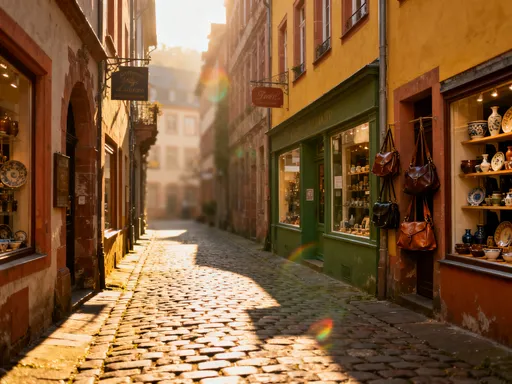
While Hauptstraße and Marktplatz offer accessible shopping experiences, the real treasures of Heidelberg lie just off the beaten path. A short detour into the Altstadt’s side alleys reveals a network of small studios, concept stores, and artisan workshops that are easy to miss but impossible to forget. These hidden boutiques are where creativity flourishes in intimate, personal spaces—often run by a single designer or craftsperson who lives above the shop or works at a small table in the back.
One might find a ceramics studio tucked into a 16th-century cellar, where a potter shapes mugs and bowls on a kick wheel, each piece glazed in earthy tones inspired by the surrounding hills. Another could stumble upon a sustainable fashion boutique in a narrow passageway, where garments are made from organic cotton and linen, dyed with plant-based pigments. These stores don’t advertise heavily; their presence is felt through word of mouth, handwritten signs, and the quiet confidence of those who know where to look.
What makes these boutiques special is their commitment to process and material. A leatherworker might source hides from local farms, hand-stitching wallets and bags with techniques passed down through apprenticeships. A jewelry maker could use recycled silver to create minimalist pieces inspired by the city’s architecture. These are not fast-fashion items or trend-driven designs—they are objects built to last, meant to be used and cherished over time.
Visiting these spaces often feels like stepping into someone’s private world. Many have no formal storefront, just a small plaque or a curtain of beads marking the entrance. Some operate by appointment only or open only on weekends. But for those willing to explore, the reward is a deeper connection—to the maker, to the craft, and to the city itself. These boutiques remind us that shopping can be slow, intentional, and meaningful. They are not just places to buy things but places to witness creation in action.
Shopping Malls with a Local Twist: From Praktiker to Bergheimer Straße
Heidelberg may not have sprawling shopping malls, but it does offer compact retail centers that blend convenience with local character. Unlike the impersonal megamalls found in other cities, these spaces are designed to serve both residents and visitors with a sense of place. The most notable is the Kaufhof department store, located near the main train station. While it carries international brands, its layout and service reflect a more traditional German approach—polished but unpretentious, with attentive staff and a focus on quality.
What sets Heidelberg’s shopping centers apart is their integration into the urban fabric. The Bergheimer Straße district, for example, features a cluster of small plazas and retail strips that feel more like neighborhood hubs than commercial zones. Here, one might find a pharmacy next to a family-owned shoe repair shop, a children’s clothing boutique beside a health food store. These areas are well-connected by public transit and popular with locals, making them ideal for travelers who want to shop in a relaxed, everyday setting.
Another example is the former Praktiker site, which has been redeveloped into a mixed-use space with retail, dining, and community areas. While the big-box hardware store is gone, the area now hosts smaller businesses, including a bookstore with a café, a craft supply shop, and a seasonal farmers’ market. This kind of adaptive reuse reflects Heidelberg’s broader ethos—valuing continuity, sustainability, and community over rapid commercial expansion.
For visitors, the key is knowing which centers offer genuine local flavor and which feel too generic. The shopping arcades near the university, for instance, tend to cater to students with fast-fashion outlets and tech accessories—functional but forgettable. In contrast, the retail pockets along Bergheimer Straße and Plöckstraße provide a more authentic experience, where the mix of old and new feels organic rather than forced. These are places where shopping isn’t rushed, where a stop for coffee between stores feels natural, and where the city’s quieter side comes into view.
Souvenirs Done Right: What to Bring Home (And Where to Find It)
In a city as picturesque as Heidelberg, it’s easy to fall into the trap of buying generic souvenirs—keychains shaped like the castle, postcards with faded colors, or mugs printed with clichéd slogans. But for those who want to bring home something meaningful, the city offers far more thoughtful alternatives. The best souvenirs here are not just decorative; they are functional, beautiful, and deeply rooted in local tradition.
One standout option is apothecary-style goods from small herbal shops. These stores, some of which have operated for over a century, sell hand-blended teas, lavender sachets, and natural skincare products made with regional ingredients. A jar of rosehip salve or a bundle of dried chamomile feels like a piece of Heidelberg’s landscape in tangible form. Some shops even allow visitors to watch as products are mixed and packaged, adding a layer of transparency and connection.
Another excellent choice is traditional wooden toys. Crafted from sustainably harvested timber, these include pull-along animals, stacking blocks, and miniature farm sets—simple in design but enduring in quality. They’re not just gifts for children; they’re heirloom pieces that speak to a slower, more intentional way of living. Many are sold in family-run toy stores or at the weekly market, where the makers themselves sometimes attend.
For book lovers, a hand-bound journal from a local stationer is a treasured keepsake. Made with recycled paper and linen covers, these notebooks often feature embossed city motifs or hand-stamped designs. Some stores even offer custom monogramming, turning a simple notebook into a personal artifact. Paired with a locally made fountain pen or a set of ink bottles in deep forest green or river blue, it becomes a gift that inspires creativity long after the trip ends.
The beauty of these souvenirs lies in their authenticity. They are not produced in distant factories but made nearby, often by hand. Purchasing them supports local artisans and preserves traditions that might otherwise fade. More than that, they carry a story—one of craftsmanship, care, and connection to place. When you give such a gift, you’re not just sharing a memory; you’re passing on a piece of Heidelberg’s soul.
Practical Tips for a Smooth Shopping Experience
To make the most of Heidelberg’s shopping culture, a little planning goes a long way. Unlike in some countries where stores stay open late, many shops in Heidelberg observe traditional hours. Most boutiques and smaller stores open between 9 and 10 a.m. and close by 6 or 7 p.m., with a break in the middle of the day. Sundays are particularly limited—only a few shops near the train station or in the main square may be open, often with reduced hours.
Cash is still widely used, especially in markets and small studios. While credit cards are accepted in larger stores and department shops, it’s wise to carry euros for smaller purchases. Some vendors may not accept large bills, so having smaller denominations on hand makes transactions smoother. ATMs are readily available near the main square and train station, but it’s best to withdraw cash earlier in the day, as some machines may run out by evening.
Public transportation makes accessing shopping areas easy and stress-free. The city’s tram system connects the Altstadt with surrounding neighborhoods like Bergheim and Weststadt, where local shopping districts thrive. A day pass allows unlimited rides and is especially useful for visiting multiple areas. Walking remains the best way to explore the old town, where narrow streets and pedestrian zones limit vehicle access. Comfortable shoes are essential, as cobblestones can be uneven.
Language is rarely a barrier. Most shopkeepers, especially in tourist-facing businesses, speak English well. But learning a few basic German phrases—like “Guten Tag” (good day), “Wie viel kostet das?” (how much does this cost?), and “Danke” (thank you)—is appreciated and can lead to warmer interactions. Service is generally polite but not overly familiar, reflecting a cultural preference for respect and privacy.
Finally, patience is key. Shopping in Heidelberg is not about efficiency; it’s about presence. Lines may move slowly, conversations may linger, and decisions may take time. Embracing this pace allows for a richer experience—one where the journey matters as much as the destination. By respecting local rhythms, travelers don’t just shop in Heidelberg; they become part of its story.
Shopping in Heidelberg isn’t just about buying—it’s about experiencing the city’s soul through its crafts, markets, and quiet corners. With the right approach, every purchase becomes a story.