You Won’t Believe These Views in Montego Bay
Montego Bay isn’t just beaches and resorts—some of the most breathtaking moments happened when I stepped off the beaten path to chase light and perspective. From misty hillside lookouts to quiet coastal bluffs, I discovered viewpoints where the Caribbean unfolds like a living postcard. Whether you're shooting with a phone or a DSLR, these spots transformed how I see Jamaica. This is photography that doesn’t just capture places—it captures feeling.
The Magic of Light in Montego Bay
Jamaica’s north coast is blessed with a unique quality of light—soft, golden, and deeply saturated—that gives Montego Bay its signature glow. The tropical atmosphere, combined with high humidity and scattered coastal cloud cover, creates a natural diffusion effect, turning ordinary scenes into radiant compositions. This phenomenon is especially pronounced during golden hour, the period just after sunrise and before sunset, when the sun sits low on the horizon and bathes everything in warm, directional light. For photographers, this window offers the perfect balance of contrast and color, ideal for capturing both landscapes and candid moments with emotional depth.
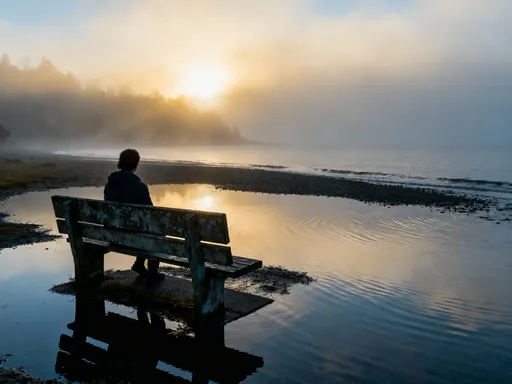
One of my most memorable early mornings began at Doctor’s Cave Beach, long before the crowds arrived. As the sky shifted from indigo to coral, the still waters mirrored the pastel hues like liquid silk. With my tripod set low at the shoreline, I used a wide-angle lens to include the curve of the bay and the silhouetted palms along the promenade. The reflections doubled the visual impact, creating symmetry that felt almost surreal. This kind of serenity is rare in high-traffic zones, which is why arriving early isn’t just a suggestion—it’s essential for capturing the soul of the place.
Another powerful technique I’ve learned is using natural backlighting to create dreamlike textures. On several occasions, I positioned myself behind clusters of palm fronds just as the morning sun pierced through. The light filtered through the leaves, casting delicate shadows and adding a soft halo effect around subjects. This works especially well when photographing people or architectural details, as it adds dimension without harsh highlights. A polarizing filter helped reduce glare on wet surfaces, while underexposing slightly preserved the richness of the sky. These small adjustments transformed casual snapshots into images with mood and intention.
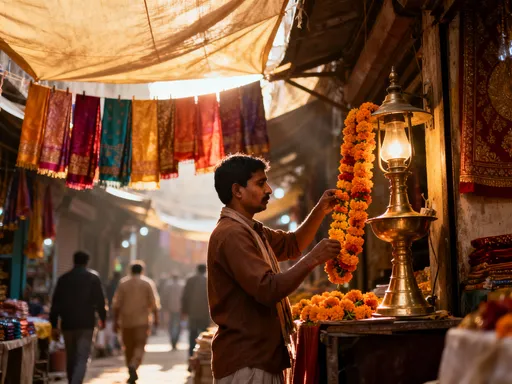
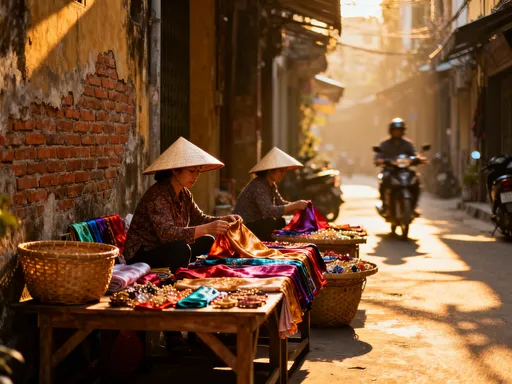
Weather also plays a pivotal role in shaping the light. Overcast days, often dismissed by travelers, can actually be a photographer’s ally. The cloud cover acts like a giant softbox, eliminating harsh shadows and providing even illumination—perfect for portraits or detailed shots of local crafts and markets. On one cloudy afternoon in downtown Montego Bay, I wandered through the open-air market near Market Street, where vendors displayed vibrant produce, handwoven baskets, and colorful textiles. The diffused light allowed me to capture rich textures without worrying about blown-out highlights. Understanding how to adapt to changing conditions is key to making the most of Montego Bay’s dynamic visual palette.
Hidden Hilltops with Panoramic Rewards
While most visitors stay within the resort belt, some of the most rewarding views require a short journey inland. Just beyond the outskirts of Montego Bay, a network of winding roads climbs into the hills, revealing elevated vantage points that few tourists ever see. These hidden lookouts offer sweeping panoramas of the coastline, with the turquoise sea stretching endlessly toward the horizon. One such spot, discovered with the help of a local taxi driver, sits on a quiet ridge near the historic Rose Hall estate. From this elevation, the Great House—a restored 18th-century plantation mansion—stands in striking contrast against the deep blue sky, its white columns glowing in the midday sun.
What made this location unforgettable was not just the view, but the stillness. No crowds, no music, only the rustle of dry grass and the distant cry of a red-tailed hawk. I set up my camera on a lightweight tripod, using a telephoto lens to isolate architectural details and layer the composition with foreground elements like swaying trees and sun-baked stone walls. The ruins of older outbuildings added historical texture, hinting at centuries of change. Capturing this scene required patience—waiting for the right cloud formation, the perfect angle of light—but the result was a photograph that felt timeless, like a page from a colonial-era journal brought to life.
Hiking to these elevated areas doesn’t require technical skill, but it does demand thoughtful preparation, especially when carrying photography gear. The trails are generally short—less than a mile—but can be uneven and exposed to the sun. I recommend wearing breathable clothing, sturdy walking shoes, and a hat for protection. A backpack with padded compartments kept my camera and lenses secure, while a small towel and lens cleaning cloth helped manage humidity and dust. A power bank ensured my devices stayed charged, and a reusable water bottle was indispensable in the tropical heat. These small comforts made the journey more enjoyable and allowed me to focus on composition rather than discomfort.
Local guidance proved invaluable in accessing these secluded spots. While maps and GPS can get you close, only residents know the safest and most scenic routes. My driver, Mr. Ellis, had lived in the area for over forty years and shared stories about how the landscape had changed over time. He pointed out a hidden path behind a grove of mango trees that led directly to the ridge. His knowledge saved me time and ensured I respected private property boundaries. Building rapport with locals not only enhances safety but often opens doors to experiences that no guidebook can offer. Their insights transform a simple photo stop into a meaningful connection with the land and its people.
Coastal Vistas Beyond the Resort Zone
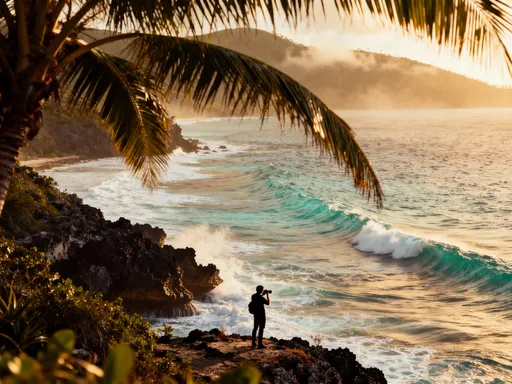
Just a short drive east of Montego Bay’s tourist hubs lies a quieter stretch of coastline near the village of Priory. Far from the cruise ship terminals and all-inclusive resorts, this area reveals a more authentic side of Jamaica’s shore. The beach here is rugged, shaped by volcanic rock formations that jut out into the sea, creating natural pools and dramatic wave patterns. At midday, when the sun is high, the interplay of light and water produces dazzling effects—sunbeams refract through shallow pools, turning them into glowing turquoise mosaics. It’s a paradise for photographers seeking texture, contrast, and raw natural beauty.
I spent hours crouched on the black lava rocks, experimenting with shutter speeds to capture the motion of the waves. Using a neutral density filter, I extended the exposure time, turning crashing surf into silky mist that hovered above the stones. The contrast between the dark rock and the frothy white water created powerful compositions, while the reflections in tidal pools added depth and symmetry. A macro lens allowed me to focus on smaller details—barnacles clinging to wet surfaces, tiny crabs darting between crevices, salt crystals glistening in the sun. These intimate shots, often overlooked, tell a quieter but equally compelling story of coastal life.
One of the most effective tools in this environment is a polarizing filter. The intense sunlight reflecting off wet rocks and shallow water can create blinding glare, washing out colors and reducing clarity. By rotating the filter, I was able to cut through the surface reflections and reveal the vibrant blues and greens beneath. This made a dramatic difference in underwater shots, where fish and coral fragments became visible even in knee-deep water. The filter also deepened the saturation of the sky, making clouds stand out against a richer blue. It’s a simple accessory, but in tropical coastal settings, it’s indispensable for achieving professional-quality results.
What sets these remote shores apart is their authenticity. Unlike the manicured piers and boardwalks of the resort zone, this coastline feels untouched—shaped by nature, not design. Fishing boats rest on the sand, their wooden hulls painted in faded blues and greens. Children play in the shallows, shouting with laughter as they chase small fish. Women hang laundry between coconut trees, the bright fabrics flapping in the breeze. These moments, unposed and spontaneous, add narrative depth to any visual journey. They remind us that photography isn’t just about capturing scenery—it’s about witnessing life as it unfolds, respectfully and attentively.
Urban Perspectives: Capturing Montego Bay’s Rhythm
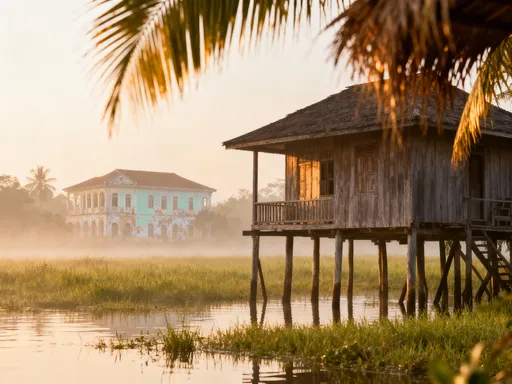
At the edge of Montego Bay’s city center, where narrow streets meet the sea, a different kind of beauty emerges—one rooted in daily life and community. This is where fishermen mend their nets on wooden docks, where market vendors arrange baskets of fruit under striped awnings, and where brightly painted houses climb the hillsides in uneven rows. It’s a place of rhythm and color, where every corner offers a potential photograph. One morning, I found a small waterfront café perched on stilts above the water. From my seat at a weathered table, I could see fishing boats drifting in with the tide, their crews calling to one another in Patois, their voices blending with the cry of gulls.
I spent hours photographing from this vantage point, using a zoom lens to frame candid moments without intrusion. A fisherman sorting his catch became a study in texture—his sun-weathered hands, the silver scales on the wooden planks, the glint of water on his boots. Nearby, children played a game of marbles on the dock, their concentration absolute. A woman hung laundry between two houses, the reds and yellows of the clothes dancing in the wind like flags. These scenes, fleeting and unguarded, carried a sense of truth that polished tourist spots often lack. They weren’t staged for cameras—they were simply lived.
Photographing people in their everyday environments requires sensitivity and respect. I made it a practice to smile, nod, and ask permission when approaching someone directly. In most cases, locals were happy to be photographed, especially when I showed them the image afterward on my camera screen. This small gesture built trust and often led to brief conversations—about the day’s catch, the weather, or family. These interactions enriched my experience far beyond the photographs themselves. They reminded me that every portrait is a collaboration, a moment of shared humanity frozen in time.
Composition also played a crucial role in these urban scenes. I often used natural frames—doorways, windows, the curve of a boat’s hull—to draw the viewer’s eye toward the subject. The rule of thirds helped balance chaotic street scenes, while leading lines—such as the edge of a pier or a row of moored boats—guided the eye through the image. Shooting in burst mode allowed me to capture motion, like a child jumping into the water or a fish flipping in a bucket. Post-processing was kept minimal: slight adjustments to contrast and white balance preserved the authenticity of the moment. The goal was never perfection, but presence.
Sunset Spots That Live Up to the Hype
It’s no secret that Montego Bay is one of the Caribbean’s premier destinations for sunset viewing. Its west-facing coastline ensures unobstructed views of the sun as it dips below the horizon, setting the sky on fire with streaks of orange, pink, and violet. Yet, the most popular spots—like the Sunset Boulevard boardwalk—can become overcrowded, with dozens of phones held aloft like offerings to the light. To experience the magic without the noise, I sought out quieter alternatives, places where the view was just as stunning but the atmosphere remained intimate.
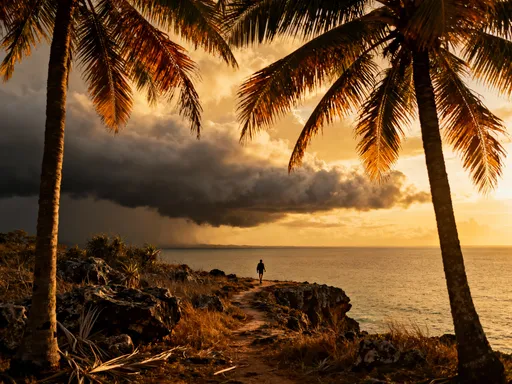
One evening, I followed a recommendation to a low-key beach bar tucked between two coves, accessible only by a narrow dirt path. There, a handful of locals gathered with cold drinks, laughing and sharing stories as the sky transformed. I set up my tripod on a cluster of weathered rocks slightly above the shoreline, which gave me a layered composition—the silhouetted palms in the foreground, the glowing horizon beyond, and the dark outline of a fishing boat cutting across the frame. Using a graduated neutral density filter, I balanced the exposure between the bright sky and the darker land, preserving detail in both areas.
Long exposure techniques enhanced the drama of the fading light. With shutter speeds ranging from 10 to 30 seconds, I turned the waves into a smooth, misty veil that contrasted beautifully with the sharp silhouettes of the trees. The effect was ethereal, almost painterly. I shot in RAW format to retain maximum data, allowing for greater flexibility in post-processing. Adjusting the white balance to “cloudy” or “shade” warmed the image further, enhancing the golden tones without oversaturation. These technical choices, combined with thoughtful composition, helped me move beyond generic sunset photos to images with mood and intention.
One key lesson I learned was to avoid overused angles. Instead of shooting directly into the sun, I experimented with side lighting and reflective surfaces. A shallow pool left by the receding tide became a natural mirror, doubling the sky’s colors and adding symmetry to the frame. Shooting from slightly elevated positions also helped me include more of the landscape, turning a simple sunset into a broader narrative of place. These small shifts in perspective made a significant difference in the emotional impact of the images. The best photographs weren’t just records of beauty—they were invitations to feel it.
Planning Your Photographic Journey: Practical Tips
Success in travel photography often comes down to preparation. The best views in Montego Bay are accessible year-round, but certain seasons offer more favorable conditions. The period from November to March is widely regarded as the ideal time to visit, with lower humidity, fewer rain showers, and consistently clear skies. This window increases the likelihood of capturing pristine light at sunrise and sunset, as well as uninterrupted panoramic views from hilltops and coastal bluffs. While summer months can still yield beautiful images, afternoon thunderstorms are more frequent, requiring flexibility and backup plans.
Transportation is another critical factor. While staying within a resort offers convenience, it limits access to remote viewpoints. Renting a car provides the freedom to explore at your own pace, but navigating narrow, winding roads requires caution, especially for unfamiliar drivers. Alternatively, hiring a local driver familiar with the terrain can be a wise investment. Not only do they know the safest routes, but they often have personal recommendations for hidden lookouts and quiet beaches. Many drivers are happy to wait while you photograph, turning the journey into a guided visual expedition.
When it comes to gear, simplicity often works best. A lightweight tripod is essential for long exposures and low-light conditions, while a versatile zoom lens (such as a 24-70mm) covers most scenarios—from wide landscapes to tighter portraits. Lens wipes and a microfiber cloth are must-haves for removing salt spray and humidity residue, which can quickly fog lenses. A power bank ensures your camera battery and phone stay charged, especially during full-day excursions. I also recommend a waterproof bag for protection during unexpected rain or sea spray. These practical items may seem minor, but they can make the difference between a smooth shoot and a frustrating day.
Equally important is respecting local customs and boundaries. Many of the best viewpoints are near residential areas or private properties. Always ask permission before entering someone’s land, and avoid trespassing even if a path seems inviting. In rural communities, a simple greeting in Patois—like “Good day, sir” or “How yuh deh?”—can go a long way in building goodwill. Remember, the goal is not just to take pictures, but to leave a positive impression. When travelers act with courtesy and humility, they are more likely to be welcomed, invited, and remembered.
Why Viewpoints Shape Our Travel Memories
Photography does more than document a journey—it deepens our connection to a place. When we pause to compose a shot, we slow down, observe details, and engage with our surroundings in a more intentional way. A simple act of framing a sunset or focusing on a child’s smile transforms passive sightseeing into active participation. In Montego Bay, I found that the most powerful images weren’t the ones with perfect exposure or technical precision, but those that carried emotion—the warmth of golden light on water, the quiet dignity of a fisherman at work, the laughter of friends sharing a drink as the sky burned with color.
There’s a difference between snapping souvenirs and creating meaningful images. A souvenir photo is taken quickly, often without thought—a pose in front of a landmark, a blur of motion and noise. A meaningful photograph, on the other hand, is born from presence. It requires patience, awareness, and a willingness to wait for the right moment. It’s not about capturing everything, but about choosing what matters. In this way, photography becomes a form of mindfulness, a way to anchor ourselves in the now and carry a piece of it home.
Montego Bay’s true beauty isn’t just seen—it’s felt. And through the lens, we don’t just record what we see; we remember how it made us feel. The stillness of a hilltop at dawn, the rhythm of waves against volcanic rock, the warmth of a shared smile—these are the moments that linger long after the trip ends. They become part of our inner landscape, shaping how we recall not just a place, but a state of being.
So when you visit Montego Bay, don’t just look. See. Let the light guide you. Let the land speak. Take your time, frame your world, and allow the camera to be not just a tool, but a companion in discovery. Because the most unforgettable views aren’t always the easiest to find—but they’re always worth the journey.