Temple Bells and Bargains: My Madurai Market Adventure
You know that feeling when ancient stone towers hum with prayer and the air smells like jasmine and spice? That’s Madurai at dawn. I went not just to see the Meenakshi Temple—but to explore the vibrant markets wrapped around it. Shopping here isn’t about malls; it’s a sensory ride through alleys bursting with silk, marigolds, and hand-carved treasures. This is where culture meets commerce, and every purchase tells a story. Let me take you where the real buzz happens—just steps from one of India’s most iconic landmarks.
The Heartbeat of the City: Meenakshi Amman Temple as a Cultural Anchor
At the center of Madurai’s spiritual and social life stands the Meenakshi Amman Temple, a magnificent complex that has drawn devotees for over a thousand years. More than a monument, it is a living sanctuary where rituals unfold with rhythmic precision from early morning until late evening. The towering gopurams—each one a multicolored pyramid of sculpted deities, mythical creatures, and celestial beings—rise like sentinels over the city, visible from nearly every direction. These gateways are not just architectural marvels; they are sacred thresholds, marking the transition from the mundane to the divine.
Daily life in Madurai orbits around the temple’s schedule. At sunrise, priests begin the alankaram, the ceremonial dressing of the deities, accompanied by chants and the resonant tolling of bronze bells. Pilgrims stream in throughout the day, barefoot on cool stone floors, offering flowers, coconuts, and prayers. The scent of sandalwood paste and camphor lingers in the air, mingling with the sound of devotional songs played from hidden speakers. This constant flow of worship creates a pulse that reverberates beyond the temple walls, energizing the surrounding streets and shaping the rhythm of commerce.
Because millions visit each year—especially during festivals like Chithirai, which celebrates the divine marriage of Meenakshi and Sundareswarar—the temple functions as both a religious epicenter and an economic engine. Local businesses thrive on the steady stream of visitors, adapting their goods and services to meet ritual needs. Flower sellers stock fresh marigolds and jasmine garlands by the thousands, while shops near the eastern entrance specialize in brass lamps, incense, and small idols. Even the timing of shop openings aligns with temple hours, reinforcing the idea that this is not merely tourism, but a deeply rooted cultural ecosystem.
The temple’s influence extends into the identity of the city itself. Residents speak of Madurai with pride, calling it the ‘Athens of the East’ for its long-standing tradition of scholarship, art, and devotion. For centuries, poets, scholars, and artisans have gathered here, supported by royal patronage and religious endowments. Today, that legacy lives on—not only in stone carvings and temple rituals but in the bustling market lanes where tradition is bought, sold, and carried home in cloth-wrapped bundles.
From Devotion to Commerce: How Sacred Space Fuels Market Life
The markets encircling the Meenakshi Temple are not accidental byproducts of tourism—they are organic extensions of the sacred space itself. Every stall, every basket of flowers, every stack of silk sarees exists because of the temple’s enduring presence. This symbiotic relationship between spirituality and commerce is centuries old, rooted in the Indian tradition of dharma and seva, where service to the divine often includes material offerings. As a result, the economy around the temple is not driven by profit alone but by purpose: to support worship, enable ritual, and honor tradition.
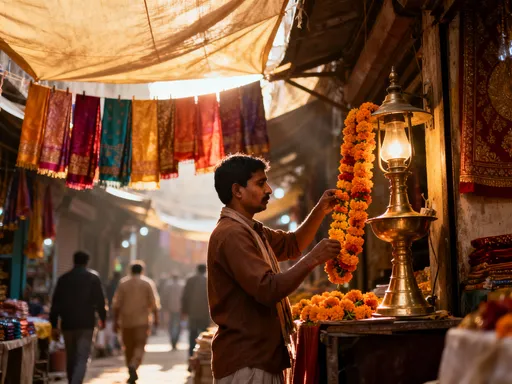
Walk through the eastern gateway at sunrise, and you’ll find rows of vendors selling marigold garlands strung by hand, their petals still damp with dew. Nearby, stacks of banana leaves lie ready for use in temple offerings, while baskets overflow with coconuts, turmeric, and kumkum powder. These are not souvenirs—they are essential elements of daily puja, purchased by families and priests alike. The demand is constant, seasonal peaks during festivals only amplifying the scale. During Navaratri, for instance, the sale of special lamps and decorative items surges, with families preparing elaborate home altars in honor of the goddess.
Incense and camphor burners fill the air with a smoky sweetness, drawing shoppers into narrow lanes where brassware glimmers under soft light. Artisans shape oil lamps into the forms of peacocks, elephants, and lotus blossoms—symbols of prosperity and purity. Many of these craftsmen come from generations-old lineages, their skills passed down through apprenticeships within the family. Their shops may be small, tucked between larger storefronts, but they hold a quiet dignity, serving both pilgrims and connoisseurs of traditional Indian handicrafts.
The sensory richness of these markets is unforgettable. The rustle of silk being unfurled, the clink of metalworkers hammering brass, the call of a vendor shouting “Ganga jal! Sacred water!”—each sound, smell, and texture contributes to an atmosphere that feels both ancient and alive. Even the language of bargaining carries a kind of ritual; a smile, a respectful nod, a shared cup of tea can be as important as the final price. This is not a transactional marketplace alone—it is a social and spiritual space where goods carry meaning far beyond their monetary value.
Silk Trails and Street Stalls: Discovering Authentic Madurai Shopping
If there’s one fabric synonymous with Madurai, it’s cotton silk—specifically the vibrant, lightweight sarees known for their bold checks, temple borders, and handwoven zari work. These textiles are more than fashion statements; they are emblems of regional pride, worn by brides, grandmothers, and festival-goers alike. The weaving tradition dates back centuries, with local weavers once serving royal courts and temple priests. Today, families in neighborhoods like Thirumangalam and Othakadai continue this craft, often operating small loom units from their homes.
For visitors, the best places to experience authentic Madurai shopping are Puthu Mandapam, East Chithirai Street, and the labyrinthine lanes behind the temple’s southern entrance. Puthu Mandapam, a historic market hall built during the Nayak dynasty, remains a hub for high-quality textiles. Its arched corridors house dozens of family-run shops, some with names known across Tamil Nadu. Stepping inside, you’re greeted by walls lined with sarees in every color imaginable—crimson, peacock blue, saffron, emerald—each one folded neatly on wooden shelves.
Shopping here is an art form. Vendors will drape a saree over a mannequin or offer to show it on a model, explaining the weave, the origin of the design, and the significance of certain motifs. Temple borders, for example, often depict scenes from Hindu epics or stylized gopurams, linking the wearer to sacred narratives. Checks—called “Madurai malli” when woven with jasmine-inspired patterns—are especially popular for daily wear due to their comfort and breathability in the hot climate.
Bargaining is expected, but it should be done with respect. Unlike in some tourist-heavy cities, aggressive haggling is frowned upon. A polite inquiry about price, followed by a modest counteroffer, is the norm. Many shopkeepers appreciate genuine interest in the craft and may even share stories about their family’s weaving history. For authenticity, look for the Silk Mark tag or ask to see the handloom certification. Avoid overly shiny fabrics or machine-perfect patterns—true handwoven sarees have slight irregularities that speak to their craftsmanship.
The best time to shop is early morning or late afternoon, avoiding the midday heat and peak temple crowds. Weekdays are less hectic than weekends or festival days, allowing for more personalized attention. And while it’s tempting to buy quickly, take time to compare. Some shops specialize in bridal silks, others in everyday cottons, and a few even offer custom dyeing or embroidery services. With patience and curiosity, you can find a piece that feels uniquely yours—and deeply connected to Madurai’s living textile heritage.
Beyond Textiles: Hidden Gems in the Bazaars
While silk may be Madurai’s most famous export, the bazaars hold countless other treasures for those willing to look beyond the obvious. Tucked into side alleys and quiet corners are artisans crafting brass lamps, wooden chariots, terracotta idols, and herbal soaps using techniques unchanged for generations. These items may not dominate guidebooks, but they represent the quieter, deeper currents of Tamil craftsmanship.
In the lanes near the temple’s western entrance, small workshops produce intricate brass diyas—oil lamps used in daily worship. Using the lost-wax casting method, artisans pour molten metal into clay molds, then hand-polish each piece until it gleams. These lamps range from simple round bowls to elaborate multi-tiered stands shaped like lotus flowers or temple towers. Buying one supports not just a vendor but a lineage of metalworkers who have preserved their craft despite competition from mass-produced imports.
Wood carving is another enduring tradition. Skilled carpenters create miniature temple chariots—exact replicas of the massive vehicles used in festival processions. Made from seasoned jackfruit wood, these models are painstakingly detailed, with wheels that turn and canopies carved to mimic real temple architecture. They are popular gifts for children and collectors, but also serve as devotional objects in home shrines. During the Chithirai festival, demand for these models spikes, with families displaying them alongside photos of the actual procession.
Terracotta artisans, though fewer in number today, still shape gods and goddesses from local clay, air-drying and sun-baking their creations before painting them with natural pigments. These idols are especially sought after during festivals like Ganesha Chaturthi, when families install them for home pujas before immersion. Herbal soap makers, often women working from home-based cooperatives, blend neem, turmeric, and sandalwood into gentle, fragrant bars that reflect Ayurvedic principles. These soaps are sold in small cloth packets at neighborhood stalls, sometimes with handwritten labels.
Seasonal variations add another layer of authenticity. Around Pongal, the harvest festival, shops stock special kolam powder kits in bright colors, along with new brooms and earthen pots. During Diwali, lanterns and sparklers appear in abundance. And in summer, when mangoes ripen across Tamil Nadu, stalls sell dried mango slices, mango pickle, and even mango-scented incense. These rhythms remind visitors that Madurai’s markets are not static—they breathe with the calendar, reflecting the agricultural, religious, and domestic cycles of South Indian life.
Navigating the Maze: Practical Tips for a Smarter Shopping Experience
Exploring Madurai’s markets can be exhilarating, but a few practical considerations will enhance both comfort and confidence. First and foremost, wear comfortable footwear. The streets are uneven, often paved with worn stone or packed earth, and you’ll likely walk for hours. Light, breathable clothing is advisable, especially in the hot months from March to June. Since many market areas are adjacent to the temple, modest dress is respectful—opt for shirts with sleeves, skirts or pants that cover the knees, and avoid revealing necklines.
Cash is still king in most small shops and street stalls. While some larger textile stores accept cards, many artisans and food vendors operate on a cash-only basis. Carry smaller denominations—50, 100, and 200 rupee notes—to make transactions smoother and avoid the hassle of breaking large bills. ATMs are available near the main market entrances, but lines can be long during peak hours.
Timing matters. The markets come alive early, with flower vendors setting up before 6 a.m. and textile shops opening by 9 a.m. Midday brings intense heat and crowds, especially on weekends. Late afternoon, from 4 to 7 p.m., offers a more relaxed pace, with cooler temperatures and softer light—ideal for photographing details or engaging in longer conversations with shopkeepers. Avoid visiting during major festivals unless you’re prepared for massive crowds; while the energy is electric, navigation becomes challenging.
Be mindful of touts—individuals who may approach with unsolicited offers for guides, transportation, or “special deals.” While some are well-meaning, others may lead you to commission-based shops where prices are inflated. Instead, rely on recommendations from your hotel, trusted locals, or simply observe where residents shop. A stall with a steady stream of Tamil-speaking customers is usually a good sign of authenticity.
Don’t hesitate to ask questions. Most vendors are proud of their work and happy to explain the origin of a product, the technique used, or the significance of a design. If you’re unsure about quality, request to see similar items at different price points. For textiles, feel the fabric, check the weave, and look for consistency in color. For handicrafts, examine joints, finishes, and materials. Genuine artisans welcome close inspection—it shows respect for their labor.
Lastly, carry a small cloth bag. Plastic is increasingly discouraged in India, and many shops now use paper or jute packaging. Bringing your own bag reduces waste and makes it easier to carry purchases as you explore. With these tips, you’ll move through the market maze with ease, savoring every discovery without stress.
Local Eats Between Buys: Fueling Your Shopping Spree the Madurai Way
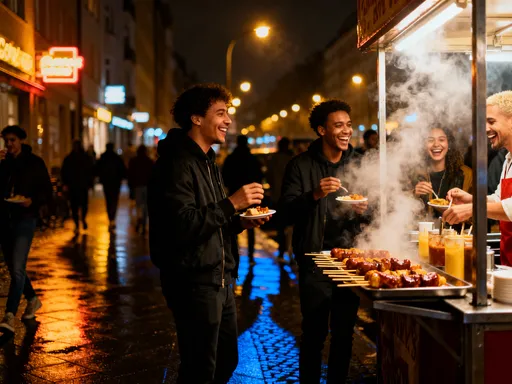
No shopping journey in Madurai is complete without pausing to taste the city’s legendary street food. The market alleys are dotted with small stalls and老字号 eateries serving quick, flavorful bites that have sustained generations of shoppers, priests, and laborers. These snacks are more than sustenance—they are part of the cultural fabric, enjoyed with the same reverence as temple offerings.
One of the most iconic treats is muttaiparotta, a flaky, layered flatbread served with a spicy egg curry. Found near the northern entrance of Puthu Mandapam, this dish is often cooked fresh on large iron griddles, the dough twisted and folded dozens of times to create its signature texture. Vendors serve it steaming hot, wrapped in banana leaves or paper, perfect for eating on the go. Another favorite is jangiri—a deep-fried lentil sweet with a honeycomb interior, soaked in sugar syrup. Crisp on the outside, soft within, it pairs perfectly with a cup of strong filter coffee.
And speaking of coffee—Madurai’s filter coffee is a ritual in itself. Made from dark-roasted beans blended with chicory, brewed slowly in a stainless steel set, and poured back and forth to create a frothy top, it’s served in small steel tumblers with a side of milk. The best cups come from old establishments like Murugan Coffee Club or Sri Krishna Sweets, where families have been roasting and serving for decades. Sitting on a wooden bench, sipping coffee as temple bells chime in the distance, is a moment of pure Madurai serenity.
For something cooling, try mango pachadi—a unique savory-yogurt preparation made with raw mango, mustard seeds, and curry leaves. Unlike Western fruit salads, this dish balances sweet, sour, salty, and spicy notes, offering relief from the heat while stimulating the appetite. It’s often served as a side with meals but can be found in small portions at snack stalls during summer months.
Hygiene is a reasonable concern for visitors, but many long-standing vendors maintain high standards. Look for stalls with high turnover, covered food, and clean utensils. Avoid anything left out in the open for hours or served with unfiltered water. When in doubt, follow the locals—wherever a queue of residents forms, the food is likely both delicious and safe. By embracing these culinary traditions, you don’t just eat—you participate in a daily rhythm that has nourished Madurai for centuries.
Why This Matters: Preserving Culture One Purchase at a Time
When you buy a handwoven saree, a brass lamp, or a wooden chariot in Madurai, you’re not just acquiring a souvenir—you’re supporting a living heritage. Each purchase helps sustain artisans, weavers, and small shopkeepers who keep centuries-old traditions alive in the face of industrialization and globalization. These craftspeople are not relics of the past; they are active contributors to India’s cultural economy, adapting their skills to modern tastes while preserving authenticity.
Mindful shopping is a form of cultural preservation. By choosing handmade over machine-made, by paying fair prices, and by engaging respectfully with vendors, travelers become allies in sustaining local livelihoods. This is especially important in cities like Madurai, where tourism can either erode or enrich tradition, depending on how it’s practiced. When visitors seek authenticity, demand grows for genuine craftsmanship, encouraging younger generations to take up the family trade.
Moreover, these objects carry stories. A silk saree woven with temple motifs connects the wearer to a lineage of devotion and artistry. A brass lamp lit in a home abroad becomes a vessel of memory, linking distant places to Madurai’s sacred light. Even a simple bar of herbal soap embodies knowledge passed from mother to daughter, rooted in natural healing practices. In this way, souvenirs transcend ornamentation—they become acts of remembrance and respect.
The future of Madurai’s markets depends on choices made one transaction at a time. Will shoppers prioritize speed and low cost, or will they value quality, story, and sustainability? The answer shapes not only what survives but how culture is honored. Travel that embraces authenticity—where every buy carries meaning—transforms sightseeing into something deeper: a dialogue between visitor and place, past and present, hand and heart.
So the next time you hear temple bells ringing at dawn, let them guide you not just to prayer, but to the alleys where tradition lives in thread, metal, and clay. Step into the market maze with curiosity and care. Touch the fabrics, smell the spices, taste the food, and speak to the people. In doing so, you don’t just witness culture—you help keep it alive.