You Won’t Believe Darwin’s Best-Kept Secrets – I Found Them All
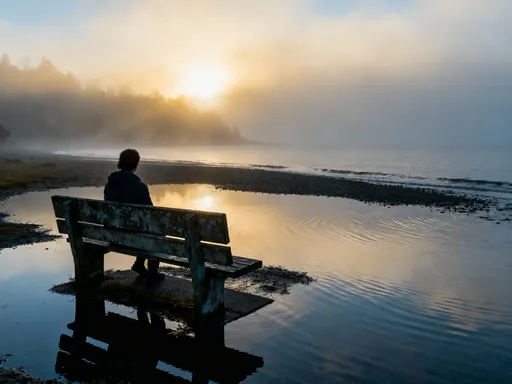
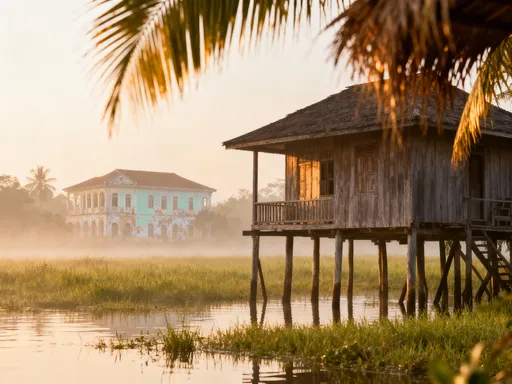
Nestled where the wild outback meets the tropical sea, Darwin is more than just Australia’s northern gateway—it’s a treasure trove of raw beauty and cultural depth. From misty sunrises over crocodile-filled wetlands to vibrant markets buzzing with local flavor, this city offers unforgettable moments at every turn. I’ve uncovered the most breathtaking viewpoints and hidden paths that most tourists miss. Let me show you how to experience Darwin like never before, with a thoughtful blend of adventure, respect for tradition, and appreciation for nature’s quiet wonders.
Why Darwin Deserves Your Full Attention
Darwin stands apart from every other Australian city, not just in geography but in spirit. Located on the Timor Sea, it is the country’s smallest and most remote capital, yet it pulses with a unique rhythm shaped by Indigenous heritage, colonial history, and tropical vitality. For decades overlooked in favor of Sydney or Melbourne, Darwin now draws travelers seeking authenticity over spectacle. Its charm lies not in skyscrapers or shopping malls, but in the way sunlight filters through paperbark trees and how stories echo through ancient rock art.
The city serves as a living bridge between cultures. Over 60,000 years of continuous Aboriginal presence are honored across the region, particularly among the Larrakia people, the traditional custodians of this land. Their connection to country is evident in place names, guided tours, and art centers that welcome visitors with openness and dignity. Unlike many urban centers where history is buried beneath concrete, Darwin embraces its past—from the resilience shown after Cyclone Tracy in 1974 to its crucial role in World War II as a strategic defense point in the Pacific theater.
What makes Darwin truly special is its accessibility to untouched wilderness. Within an hour’s drive, you can stand at the edge of a monsoon forest, gaze across salt flats teeming with birdlife, or watch a saltwater crocodile glide silently through a billabong. The city itself is compact and walkable, making it easy to explore on foot during the cooler months. Whether you're drawn to natural wonders, cultural immersion, or simply the peace of a seaside sunset, Darwin rewards those who take the time to look closely.
The Magic of Timing: When to Visit for Maximum Impact
To truly appreciate Darwin, timing is everything. The city experiences two distinct seasons—wet and dry—each offering a different face of the Top End. The dry season, spanning from May to October, is widely regarded as the ideal time to visit. During these months, humidity drops, skies remain clear, and temperatures hover between 25°C and 31°C (77°F to 88°F), creating near-perfect conditions for outdoor exploration. Mornings are crisp, afternoons are warm but manageable, and evenings invite long strolls along the waterfront.
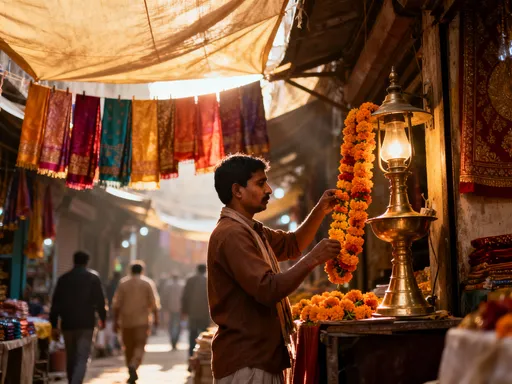
This period also coincides with Darwin’s busiest cultural calendar. The Darwin Festival, held each August, transforms the city into a vibrant hub of music, dance, theater, and visual arts. Staged in parks, galleries, and open-air venues, the festival celebrates both local talent and international performers, drawing crowds from across Australia. Equally iconic is the Mindil Beach Sunset Market, which runs weekly from May through October. Here, travelers can savor flavors from Thai curries to Indonesian satay while watching the sun dip below the horizon in a blaze of orange and purple.
In contrast, the wet season—from November to April—brings intense heat, high humidity, and frequent thunderstorms. While some attractions may be inaccessible due to flooding, this time of year reveals Darwin’s wilder side. Lightning storms roll across the sky in dramatic displays, waterfalls surge in national parks, and the landscape turns an almost surreal green. For photographers and nature lovers, the wet season offers rare opportunities to witness the land come alive. However, travelers should plan carefully, checking road conditions and park closures, and be prepared for sudden downpours that can last for hours.
Top Viewpoints That Define Darwin’s Soul
Darwin’s soul is best understood through its vantage points—places where the city, sea, and wilderness converge. One of the most serene is the George Brown Darwin Botanic Gardens, a 42-hectare oasis in the heart of the city. Home to over 2,000 plant species, including rare cycads and towering fig trees, the gardens offer shaded pathways and elevated boardwalks that provide sweeping views of the canopy. Early morning visits reveal mist rising from the lagoons, while late afternoon light filters golden through the palm fronds.
Equally compelling is the Charles Darwin National Park, located just outside the city center. This site honors the naturalist after whom the city is named, but it also preserves important WWII relics, including former military bunkers and radar stations. The park’s elevated trails offer panoramic views of mangrove forests and distant hills. Interpretive signs explain both the ecological significance of the area and its historical role in Australia’s defense. It’s a place where nature and history stand side by side, inviting quiet reflection.
For a more urban perspective, Bicentennial Park delivers one of Darwin’s most iconic harbor views. Positioned along the city’s northern edge, the park features a long esplanade perfect for walking, jogging, or simply sitting on a bench with a cool drink. At sunrise, the water shimmers with soft pinks and blues; at sunset, the sky ignites behind the skyline. The park is also a prime spot for spotting flying foxes at dusk as they glide from their roosts in search of fruit. With picnic areas, playgrounds, and public art installations, it’s a favorite among locals and visitors alike.
Off-the-Beaten-Path Gems Only Locals Know
Beyond the well-trodden paths lie hidden corners that reveal Darwin’s quieter charm. One such place is the Fannie Bay Gaol ruins, a former prison turned heritage site that operated from 1883 to 1979. Now peacefully nestled beside the sea, the site offers guided and self-guided tours through weathered stone walls and rusted gates. The ocean breeze carries the scent of salt and eucalyptus, and interpretive panels share stories of inmates, wardens, and the gaol’s role in Darwin’s social history. It’s a place of contemplation, not fear—where history speaks softly rather than shouts.
Another local favorite is the East Point Reserve, a 70-hectare conservation area that feels worlds away from the city despite being just minutes from the CBD. Its mangrove boardwalk is a highlight, winding through tangled roots and still waters where mudskippers dart and herons stalk their prey. The reserve is home to wallabies, goannas, and a rich variety of birdlife, making it ideal for families and nature enthusiasts. A well-maintained trail leads to the WWII gun emplacements, where cannons still point seaward, silent guardians of a bygone era.
Visitors should note that parking is available at both locations, though spaces can fill quickly during peak season. Facilities include shaded rest areas, drinking fountains, and public restrooms. Walking trails range from easy to moderate, suitable for most fitness levels. For those traveling with children, East Point offers a large playground and open grassy areas perfect for a picnic. These spots may not dominate travel brochures, but they offer something more valuable: a sense of discovery and connection to Darwin’s layered identity.
Experiencing the Wetlands Like a Pro: Kakadu and Beyond
No visit to Darwin is complete without venturing into the surrounding wetlands, where the Top End’s ecological richness unfolds in full splendor. While Kakadu National Park—Australia’s largest terrestrial national park—requires a longer trip, day excursions to nearby reserves offer equally rewarding experiences. Corroboree Park, located just 30 minutes from the city, is a haven for birdwatchers and photographers. Its network of lagoons and paperbark swamps hosts jabirus, magpie geese, and the elusive azure kingfisher.
The Adelaide River, another accessible destination, is famous for its jumps—a thrilling spectacle where saltwater crocodiles leap from the water to snatch food during guided feeding cruises. These tours are conducted responsibly, with strict guidelines to protect both wildlife and visitors. Rangers provide detailed commentary on crocodile behavior, habitat, and conservation efforts, turning the experience into an educational journey. It’s not about fear, but understanding—learning to respect one of nature’s most ancient predators.
When visiting Aboriginal-owned lands, it’s essential to travel with respect. Many areas are protected under traditional ownership, and access may require permits or guided tours. Visitors are encouraged to learn about local customs, such as not photographing sacred sites or speaking loudly in ceremonial areas. By supporting Indigenous-run tourism ventures—like cultural walks, art workshops, or storytelling sessions—travelers contribute directly to community well-being while gaining deeper insight into the world’s oldest living culture.
Urban Vistas: Where Culture Meets Skyline
Darwin’s urban landscape may be modest in scale, but it radiates warmth and creativity. The Mindil Beach Sunset Market remains one of the city’s most beloved experiences, drawing crowds weekly during the dry season. As the sun begins its descent, dozens of food stalls fire up, releasing the aromas of grilled seafood, coconut rice, and spiced curries. Musicians play softly in the background, children run barefoot on the sand, and couples gather on blankets to toast the day’s end.
For a more refined view, the Museum and Art Gallery of the Northern Territory (MAGNT) offers both cultural depth and architectural elegance. Perched on the shores of Fannie Bay, the museum houses an impressive collection of Aboriginal art, maritime history, and natural science exhibits. Its Cyclone Tracy display is particularly moving, using personal artifacts, audio recordings, and reconstructed homes to tell the story of the 1974 disaster that reshaped the city. Outside, a sculpture garden overlooks the water, creating a tranquil space for reflection.
The city’s laneways and waterfront promenades also invite exploration. Stokes Hill Wharf, once a military supply point, now hosts restaurants, cafes, and a small marina. It’s a popular spot for dinner with a view, especially when the lights of passing boats flicker on the darkening water. Street art adorns alley walls, celebrating local identity through bold colors and Indigenous motifs. These urban perspectives remind us that Darwin is not just a gateway to the wild—it is a living, breathing community with stories worth hearing.
How to Plan Your Perfect Darwin Itinerary
Designing a fulfilling Darwin trip requires balance—between adventure and relaxation, nature and culture, exploration and rest. A well-paced 3–5 day itinerary allows travelers to experience the city’s highlights without rushing. Begin with a morning at the botanic gardens, followed by a visit to MAGNT. In the late afternoon, head to Mindil Beach for the market and sunset. On day two, take a guided cruise along the Adelaide River or explore Kakadu with a full-day tour. Day three could focus on East Point and the Fannie Bay Gaol, leaving evenings free for dining and leisure.
Transportation plays a key role in maximizing your time. Renting a car offers the greatest flexibility, especially for reaching remote parks and scenic drives. Major rental companies operate at the airport and in the city center. Public transit is limited but functional for short trips within Darwin, with buses connecting key areas. Ride-sharing services and taxis are also available, though less common than in larger cities.
Accommodation options range from waterfront hotels to eco-lodges and family-run guesthouses. The central business district and Larrakeyah neighborhood offer convenient access to dining and attractions. For a quieter stay, consider Cullen Bay, known for its marina and upscale apartments. Regardless of choice, booking in advance is recommended, especially during festival season.
Packing for Darwin means preparing for the tropics. Lightweight, breathable clothing, a wide-brimmed hat, and high-SPF sunscreen are essentials. Insect repellent is crucial, particularly at dawn and dusk when mosquitoes are active. Reusable water bottles help maintain hydration in the heat, and sturdy walking shoes are ideal for trails and boardwalks. Always carry a small first-aid kit and respect local signage, especially near waterways where crocodiles may be present.
Final Thoughts: Seeing Darwin Through New Eyes
Traveling to Darwin is more than a change of scenery—it’s an invitation to shift perspective. It asks us to slow down, to listen to the rustle of mangrove leaves, to notice the way light dances on wetland surfaces, and to honor the deep wisdom held by First Nations peoples. This city does not dazzle with noise or neon; instead, it reveals itself gradually, like a story unfolding over days rather than hours.
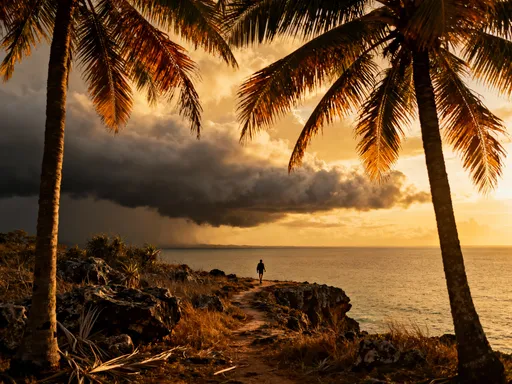
The secrets I’ve uncovered are not hidden because they are meant to be kept—they are overlooked because they require patience, respect, and curiosity to appreciate. Whether standing atop a windswept cliff, walking a quiet boardwalk, or sharing a meal at a bustling market, the true magic of Darwin lies in presence. It’s in the moments when you pause, breathe, and realize you are not just visiting a place, but connecting with it.
So as you plan your journey, remember this: the best travel experiences are not measured in photos taken or sights checked off, but in the depth of understanding gained. Let Darwin inspire you to explore not just with your eyes, but with your heart. And may every destination you visit afterward be seen with the same sense of wonder, humility, and care.