What Home Renovation Really Costs — And How to Stay in Control
So you’re thinking about remodeling your kitchen or finally finishing that basement? I’ve been there — excited, overwhelmed, and totally unprepared for the real price tag. What started as a “simple update” quickly turned into surprise after surprise. In this deep dive, I’ll walk you through the hidden layers of home renovation costs, how to plan smarter, and where most people bleed money without realizing it. Let’s make sure your dream project doesn’t become a financial nightmare. While the promise of increased comfort, better functionality, or higher resale value is compelling, the financial risks are often underestimated. Many homeowners begin with enthusiasm but end up stressed, over budget, and unsure how they got there. This article is designed to bring clarity, offering a realistic financial roadmap for anyone considering a renovation — not just a list of ideas, but a practical framework for protecting your wealth while improving your home.
The First Shock: Why Renovations Always Cost More Than You Think
It’s a story repeated in households across the country: a homeowner sets out to refresh a bathroom with a new vanity, tile, and lighting, budgeting $15,000 based on an online cost estimator. Six weeks later, the final bill is $24,000, and no one can pinpoint exactly where the extra $9,000 went. This phenomenon — cost overruns in home renovation — is not the exception; it’s the rule. Studies and industry surveys consistently show that the majority of remodeling projects exceed initial estimates by 10% to 30%, with some exceeding by even more. The reasons are not always due to contractor dishonesty or poor planning; rather, they stem from a combination of emotional decision-making, incomplete information, and the unpredictable nature of working within existing structures.
One of the primary drivers of budget inflation is the gap between estimated and actual scope. A quote from a contractor may cover labor and materials for a defined set of tasks, but it rarely includes every possible contingency. For example, removing old flooring might reveal water damage beneath, requiring structural repairs before new work can begin. These discoveries, while common, are not always factored into early budgets. Similarly, homeowners often make mid-project changes — switching from standard to premium countertops, adding extra outlets, or expanding the footprint of a kitchen island. Each of these decisions, while seemingly minor, adds up quickly. What starts as a $20,000 kitchen remodel can easily balloon to $30,000 with just a few upgrades and unforeseen fixes.
Emotional momentum plays a significant role in this process. The excitement of transformation can override financial caution. When a homeowner sees progress — walls coming down, new cabinets being installed — the desire to “make it perfect” intensifies. This psychological shift often leads to impulse decisions that were never part of the original plan. Additionally, many homeowners lack experience in construction timelines and pricing structures, making it difficult to assess whether a cost increase is justified or inflated. Without a clear benchmark, it’s easy to accept additional charges, especially when the project is already underway and stopping feels like failure.
Treating renovation as a financial project, not just a design or lifestyle upgrade, is essential. This means applying the same discipline used in budgeting for a major purchase or investment. It requires defining goals clearly, setting hard limits, and building in safeguards before work begins. Just as you wouldn’t buy a car without researching models and financing options, you shouldn’t start a renovation without a detailed financial plan. Recognizing that the initial quote is a starting point — not a final number — is the first step toward regaining control. Awareness of this reality allows homeowners to prepare mentally and financially for the full scope of what’s ahead.
Breaking Down the Real Cost Structure
To understand where renovation money actually goes, it’s important to look beyond broad categories like “labor” and “materials” and examine the specific components that make up a typical project budget. While exact percentages vary depending on location, project type, and scale, a general breakdown reveals consistent patterns. On average, labor accounts for 30% to 40% of total costs, materials for another 30% to 40%, and the remainder is distributed among permits, design fees, project management, and contingencies. However, these figures can shift dramatically based on choices made during planning.
Labor costs are influenced by several factors, including the skill level required, local wage rates, and the complexity of the work. For instance, installing custom cabinetry or intricate tile patterns demands more expertise and time than standard installations, leading to higher hourly rates and longer job durations. Contractors often charge based on a combination of time and materials, which means that any delays or changes can directly impact the final bill. Additionally, subcontractors — such as electricians, plumbers, and HVAC specialists — are typically hired separately and billed through the general contractor, adding layers of markup that may not be immediately visible to the homeowner.
Material costs are equally complex. What you see in a showroom or online catalog is rarely the final price once delivery, installation, and waste factors are included. High-end finishes like natural stone countertops, hardwood flooring, or custom windows come with premium price tags, but even mid-range materials can be marked up significantly by suppliers and installers. There’s also the issue of availability — certain products may require long lead times or special ordering, which can affect scheduling and increase holding costs. Timing plays a crucial role as well; starting a project during peak construction seasons (spring and summer) often means higher demand and steeper prices for both labor and materials.
Regional differences further complicate cost predictability. A kitchen renovation in a major metropolitan area may cost 25% to 50% more than the same project in a rural town, due to higher living expenses, stricter building codes, and greater competition for skilled labor. Even within the same city, neighborhood standards can influence pricing — homes in upscale areas often require higher-quality finishes to maintain market alignment, pushing budgets upward. Understanding these variables allows homeowners to adjust expectations and plan accordingly. Rather than relying on national averages, it’s more effective to gather local estimates from multiple sources and build a customized budget that reflects real-world conditions.
The Hidden Expenses Nobody Talks About
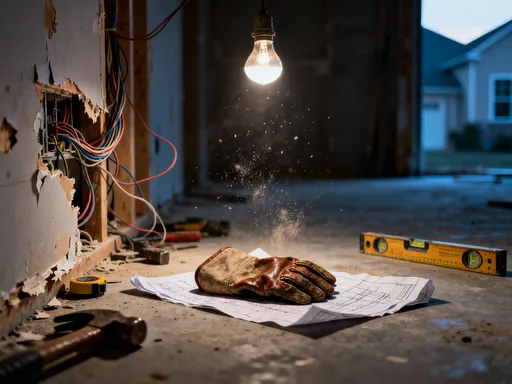
Even the most carefully planned renovation can be derailed by expenses that never appear on the initial estimate. These hidden costs are not the result of poor planning alone; they are often inherent to the nature of working with older homes or altering existing structures. One of the most common surprises is the discovery of structural or system deficiencies once walls are opened or floors are removed. Outdated electrical wiring, corroded plumbing, or inadequate insulation may require immediate attention before new work can proceed. While these issues are not always visible during a pre-renovation inspection, they are frequent enough to be anticipated as a realistic possibility.
Another often-overlooked cost is temporary housing. For whole-home renovations or major updates to kitchens and bathrooms, living on-site may become impractical or even unsafe. Renting a short-term apartment, staying with family, or using a vacation property all come with financial implications. These accommodations may last weeks or even months, adding thousands of dollars to the overall expense. Utility disruptions are another hidden factor — water, electricity, or gas may be turned off during certain phases of construction, affecting daily life and potentially requiring alternative solutions like portable generators or off-site laundry services.
Insurance adjustments are another silent cost. Some homeowners find that their insurance premiums increase after a renovation, especially if the project adds square footage or upgrades high-value components like roofs or HVAC systems. In some cases, additional coverage may be required during construction to protect against liability or property damage. Failing to notify your insurer about the project could even void coverage in the event of an accident. Permits and inspections, while expected, can also carry unexpected fees, particularly if revisions are needed to meet code requirements or if multiple reviews are required by local authorities.
The best defense against these hidden costs is a well-funded contingency reserve. Financial advisors and construction experts commonly recommend setting aside 10% to 20% of the total budget for unexpected expenses. This buffer is not a suggestion — it’s a necessity. Without it, homeowners risk having to pause work, take on high-interest debt, or compromise on quality to stay within budget. The key is to treat the contingency fund as a non-negotiable line item, not an optional extra. By acknowledging that surprises are not a matter of “if” but “when,” homeowners can approach renovation with greater confidence and financial resilience.
Financing Your Renovation: Smart Moves vs. Costly Mistakes
How you pay for a renovation can have long-term consequences on your financial health. While some homeowners use savings, many rely on financing options to cover the cost. Each method comes with its own risks and benefits, and the choice should align with your overall financial situation and goals. Home equity loans and home equity lines of credit (HELOCs) are popular choices because they typically offer lower interest rates than unsecured loans, and the interest may be tax-deductible under certain conditions. These options allow homeowners to borrow against the value they’ve built in their property, making them accessible for those with significant equity.
However, using home equity comes with a critical risk: your house becomes collateral. If payments are missed, you could face foreclosure. This makes it essential to assess your income stability and repayment capacity before committing. Additionally, the amount you can borrow is limited by your loan-to-value ratio, meaning that if your mortgage balance is high or home values have declined, your borrowing power may be reduced. HELOCs, while flexible, often have variable interest rates, which means your monthly payments could increase over time, especially in a rising rate environment.
Personal loans and credit cards are other common financing tools, but they come with higher interest rates and shorter repayment terms. Credit cards, in particular, should be used with extreme caution. While convenient for small purchases or short-term needs, carrying a large balance at a high interest rate can lead to long-term debt. A $20,000 charge at 20% APR, for example, could cost thousands in interest if not paid off quickly. Personal loans offer fixed rates and predictable payments, but approval depends on creditworthiness, and the loan amount may be limited.
Cash savings, when available, are often the safest option. Paying in full avoids interest charges and debt obligations, preserving financial flexibility. However, draining emergency funds or retirement accounts to finance a renovation can create new vulnerabilities. The key is balance — using a combination of savings and responsible borrowing, while ensuring that monthly payments remain manageable. The length of the loan should also match your plans for staying in the home. A 15-year loan makes little sense if you plan to sell in five years. Aligning financing with your timeline reduces the risk of overextending yourself financially.
When Renovation Adds Value — And When It Doesn’t
One of the most important financial questions to ask before starting a renovation is: will this project increase the value of my home? The answer is not always yes. Some improvements offer strong returns, while others are primarily for personal enjoyment. Understanding the difference helps prioritize spending and avoid over-investing in features that won’t pay off at resale. According to general market trends, kitchen and bathroom updates tend to offer the highest return on investment, often recouping 70% to 80% of costs when the home is sold. These are rooms that buyers focus on, and modern, functional spaces appeal to a broad audience.
Adding square footage through a room addition or finishing a basement can also boost value, especially in areas where space is at a premium. However, the cost of such projects is high, and the return depends on local market conditions. In some neighborhoods, an oversized home may be harder to sell if it exceeds the typical size for the area. Similarly, high-end luxury features — such as a wine cellar, indoor pool, or smart home automation — may not attract enough buyers to justify the expense. These are often considered personal luxuries rather than value-adds.
Energy-efficient upgrades, such as new windows, insulation, or HVAC systems, can enhance comfort and reduce utility bills, but their resale impact varies. While some buyers appreciate lower operating costs, others may not factor energy savings into their offer price. Solar panels, for example, can increase home value in certain markets, but the return depends on local incentives, electricity rates, and buyer preferences. The key is to focus on improvements that appeal to the average buyer in your area, not just your personal taste.
If you plan to stay in your home for many years, the equation changes. In this case, the financial return is less important than long-term enjoyment and functionality. A well-designed kitchen that suits your cooking habits, a first-floor bathroom for aging in place, or a dedicated home office may not increase resale value significantly, but they improve daily life. The goal is to balance investment with intention — spending wisely on projects that serve both current needs and future goals. This approach ensures that every dollar spent contributes to either immediate satisfaction or measurable financial gain.
Controlling Risk: Contracts, Timelines, and Cash Flow
Even with a solid budget and financing plan, poor execution can undermine the entire project. One of the most effective ways to control risk is through a detailed, legally sound contract with your contractor. This document should outline the scope of work, materials to be used, payment schedule, timeline, and procedures for handling changes or disputes. A vague or incomplete contract leaves room for misunderstandings, delays, and cost overruns. For example, if the contract doesn’t specify the brand or grade of flooring, the contractor may install a lower-quality product unless otherwise directed.
Payment terms are particularly important. Paying in installments tied to project milestones — such as completion of demolition, framing, or final walkthrough — protects against paying for unfinished or substandard work. Avoiding large upfront payments reduces the risk of fraud or abandonment. A common rule of thumb is to withhold 10% of the total cost until all work is completed and inspected. This final payment serves as motivation for the contractor to address any remaining issues.
Timelines also have financial implications. Delays can lead to extended rental costs, storage fees, or additional labor charges. While some delays are unavoidable — due to weather, supply chain issues, or inspections — a clear schedule with defined start and end dates helps manage expectations. Regular communication between homeowner and contractor ensures that problems are addressed early, before they escalate into costly setbacks.
Cash flow management is another critical factor. Even with financing in place, there may be gaps between when bills are due and when funds are disbursed. Having a short-term reserve ensures that you can cover unexpected expenses without resorting to high-interest credit. Treating the renovation like a business project — with budgets, schedules, and documentation — increases the likelihood of staying on track. Clear records of receipts, contracts, and correspondence can also be valuable for tax purposes or future home sales.
A Smarter Path Forward: Planning That Protects Your Wealth
Home renovation doesn’t have to be a financial gamble. With the right mindset and preparation, it can be a thoughtful, controlled process that enhances both your living space and your long-term financial stability. The key is to shift from viewing renovation as a purely aesthetic or emotional endeavor to treating it as a strategic financial decision. This means setting clear goals, creating a realistic budget, planning for the unexpected, and choosing financing options that align with your overall financial health.
Discipline is just as important as design. Sticking to the original scope, avoiding impulse upgrades, and maintaining open communication with contractors can prevent many common pitfalls. Equally important is patience — rushing into a project without proper research or preparation often leads to regret. Taking time to gather estimates, compare materials, and understand the full scope of work pays off in the long run.
Ultimately, the goal is not to eliminate all risk — that’s impossible in any construction project — but to manage it wisely. By acknowledging the realities of cost overruns, hidden expenses, and market variability, homeowners can make informed choices that reflect both their desires and their responsibilities. A successful renovation is not measured solely by how beautiful the result looks, but by how well it fits within your financial life. When done right, it becomes not just a transformation of space, but a demonstration of smart, sustainable decision-making that protects and preserves your wealth for years to come.