Tea Leaves and Traps: What I Learned About Staying Sane While Investing in Tea
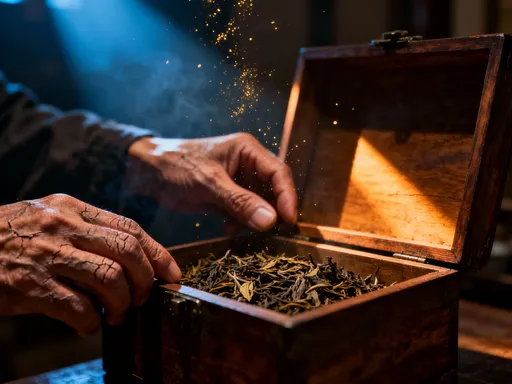
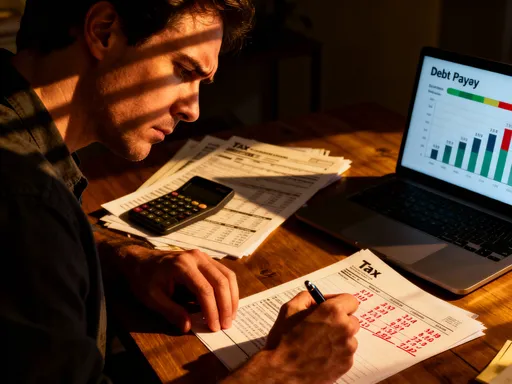
Ever bought tea thinking it’d double in value—only to watch it gather dust and lose worth? I did. What started as a "smart" way to diversify turned into a costly lesson in emotions, hype, and self-deception. Tea investing isn’t just about leaves and aging—it’s about mindset. This is how I learned to spot the traps, control my impulses, and protect my money without falling for the buzz. The journey revealed far more than I expected: not only the fragility of perceived value but also the quiet power of disciplined thinking in any form of investing. What began with a single cake of aged pu-erh ended with a deeper understanding of financial behavior.
The Allure of Tea as an Investment
Tea, particularly aged pu-erh from Yunnan and rare oolongs from Taiwan or Fujian, has long been more than a beverage in certain cultures—it is heritage, ritual, and sometimes, a store of value. Over the past two decades, a growing number of individuals have begun to view select teas not just as objects of appreciation but as alternative investments. The idea is simple: buy high-quality tea, store it properly, and wait. As the tea ages under the right conditions, its flavor matures, demand increases, and—so the theory goes—its market value rises. Some vintage pu-erh cakes from the 1980s and 1990s have sold at auction for thousands of dollars, fueling stories of quiet investors reaping extraordinary returns from modest beginnings.
What makes tea especially appealing is its tangibility. Unlike stocks or bonds, which exist as digital entries or paper certificates, tea is something you can hold, smell, and taste. This physicality gives investors a sense of control and security, a psychological anchor in uncertain markets. For many, owning tea feels safer than owning volatile equities or abstract financial instruments. It also carries cultural weight—especially in Chinese communities—where aged tea is associated with wisdom, tradition, and longevity. These associations lend emotional credibility to the investment narrative, blurring the line between sentimental value and financial return.
Additionally, tea is often compared to other collectible assets like fine wine, rare whiskies, or vintage art. These markets have demonstrated that certain physical goods can appreciate significantly over time, especially when supply is limited and demand is passionate. This comparison reinforces the belief that tea, too, can be a vehicle for wealth accumulation. However, what many overlook is that wine has decades of market data, established grading systems, and global auction houses with transparency. Art has provenance tracking, expert authentication, and institutional buyers. Tea, by contrast, operates in a much more fragmented, opaque ecosystem. There is no standardized pricing index, no universally accepted grading framework, and no regulated marketplace. As a result, value is highly subjective and vulnerable to speculation, perception, and manipulation.
The absence of liquidity further complicates matters. While you can sell a stock within seconds on a public exchange, selling a prized tea cake may take weeks or months, and the buyer pool is narrow. You are not merely selling a product; you are convincing another enthusiast of its authenticity, quality, and investment potential. This illiquidity increases risk and reduces the practicality of tea as a core investment. Yet, the allure persists—driven not by data, but by stories, scarcity, and the seductive idea that something beautiful and natural can quietly grow more valuable over time.
Why Tea Isn’t the Safe Bet You Think It Is
On the surface, investing in tea seems like a conservative choice. It is physical, natural, and rooted in tradition. Unlike cryptocurrencies or speculative tech startups, tea does not come with flashy whitepapers or volatile price swings driven by social media hype—at least not at first glance. But beneath this calm exterior lies a market riddled with uncertainty, subjectivity, and risk. The biggest misconception is that because tea is tangible, it is inherently stable. In reality, its value is far more fragile than gold, real estate, or even collectible coins—all of which have established markets, grading standards, and liquidity.
One of the most significant challenges in tea investing is the lack of objective valuation. A tea’s price is not determined by supply and demand in a transparent marketplace but by reputation, origin claims, and narrative. For example, a pu-erh cake labeled as coming from an “ancient arbor tree” in a renowned mountain region like Bingdao or Yiwu may command a premium, but verifying that claim is extremely difficult. There are no third-party certification bodies with widespread authority, and counterfeit packaging is common. Even experienced collectors can be misled by skilled forgeries. This information asymmetry gives sellers tremendous power and leaves buyers vulnerable to overpaying for misrepresented products.
Another critical issue is the dependence on storage conditions. Unlike gold bars or art, which can be safely stored in vaults with minimal maintenance, tea is a living product. Its chemical composition continues to change over time, and the direction of that change depends heavily on temperature, humidity, airflow, and exposure to light and odors. Ideal conditions for aging pu-erh are stable—typically between 60-70% humidity and 20-25°C—with good ventilation and no strong smells nearby. Deviations from this range can lead to mold, off-flavors, or stunted aging. Many investors store tea in their homes without climate control, unaware that seasonal fluctuations are slowly degrading its quality and, by extension, its value. What was once a prized investment may, after a decade, be worth only a fraction of its purchase price—not because the market changed, but because the tea itself did.
Moreover, the tea market lacks regulatory oversight. There are no consumer protection agencies monitoring claims, no mandatory disclosure requirements, and no legal recourse in most cases of mislabeling or fraud. This absence of accountability creates an environment where hype and storytelling often outweigh substance. Prices can be inflated based on rumors, celebrity endorsements, or viral social media posts rather than intrinsic quality. Without a benchmark index or reliable price history, it is nearly impossible to determine whether a tea is fairly priced or part of a speculative bubble. As a result, investors are not just betting on the tea—they are betting on trust, trends, and the continued interest of a relatively small community of collectors.
The Mindset Trap: When Passion Blurs Judgment
Perhaps the most dangerous risk in tea investing is not market volatility or storage issues—it is the investor’s own emotions. Passion for tea can be a beautiful thing. The ritual of brewing, the complexity of flavors, the connection to history and nature—all of it can deepen one’s appreciation for the craft. But when that passion intersects with financial decisions, it can lead to costly distortions in judgment. Behavioral finance has long shown that people are not purely rational actors. We are influenced by cognitive biases, emotional attachments, and social pressures. In the world of tea investing, these forces are especially potent.
One of the most common biases is confirmation bias—the tendency to seek out information that supports what we already believe while ignoring evidence to the contrary. An investor who loves a particular tea may only read reviews that praise it, follow sellers who promote it, and join communities that celebrate it. They may dismiss concerns about authenticity or overvaluation as “naysaying” or “lack of appreciation.” This selective exposure reinforces their belief in the tea’s value, making them more likely to overpay or hold onto it even as the market shifts. Similarly, loss aversion—the psychological tendency to feel the pain of a loss more intensely than the pleasure of an equivalent gain—can prevent investors from selling a declining asset. Rather than accept a small loss, they may hold onto a tea cake for years, hoping it will recover, only to see its value erode further.
Another powerful force is the endowment effect, where people ascribe higher value to something simply because they own it. Once an investor purchases a tea, especially one with a compelling story or high price tag, they may begin to see it as more valuable than it objectively is. This emotional attachment makes it difficult to sell at a fair market price, let alone at a loss. It also leads to overconfidence—believing that one’s personal taste or knowledge is a reliable indicator of future market trends. But the market does not care how much you love a tea. Value is determined by what others are willing to pay, not by personal sentiment.
The danger is amplified by the social nature of tea collecting. Enthusiast groups, online forums, and tasting events create a sense of community and shared identity. While these spaces can be enriching, they can also foster groupthink. When everyone around you is praising a certain tea or predicting massive price increases, it becomes difficult to question the consensus. Doubt is seen as skepticism, not prudence. This social pressure can push investors to buy at peaks, driven more by fear of missing out than by sound analysis. The result is a cycle of emotional decision-making: buying high out of excitement, holding through decline out of pride, and selling only when frustration outweighs attachment.
Hype, Scarcity, and the Illusion of Value
Walk into any high-end tea shop or browse online listings, and you’ll quickly encounter phrases like “single ancient tree,” “limited edition,” “one-of-a-kind harvest,” or “from a closed mountain.” These terms are not accidental—they are carefully crafted to evoke exclusivity, rarity, and urgency. Scarcity is one of the most powerful drivers of perceived value, and in the tea market, it is often manufactured rather than inherent. While some teas are genuinely rare—due to limited production, unique terroir, or historical significance—many are labeled as scarce purely as a marketing tactic.
Consider the term “ancient arbor tea.” In theory, it refers to tea leaves harvested from wild or semi-wild tea trees that are decades or even centuries old. These trees are believed to produce more complex, concentrated flavors, and their limited numbers justify higher prices. But there is no standardized definition or verification process for this label. Any seller can claim their tea comes from ancient trees, and without independent testing or documentation, buyers have no way to confirm it. The same applies to “mountain-specific” teas. A tea labeled as from “Daping Dian” or “Lao Banzhang” may sound prestigious, but without traceability, it could have been blended with leaves from elsewhere or even entirely fabricated.
Social media has amplified these dynamics. Platforms like Instagram, YouTube, and specialized tea forums allow influencers and sellers to build narratives around specific teas, creating buzz and driving demand. A single viral video or endorsement from a respected figure can send prices soaring overnight. This is not inherently bad—information sharing can educate consumers and highlight exceptional products. But when hype outpaces fundamentals, it creates speculative bubbles. Investors buy not because of intrinsic value but because they believe someone else will pay more later. This “greater fool theory” is a hallmark of speculative mania, and it has played out in everything from tulip bulbs to dot-com stocks to cryptocurrencies.
The reality is that most teas do not appreciate in value. Only a tiny fraction—perhaps less than 1%—of all aged teas ever sell for more than their original price. The vast majority either hold steady or decline, especially when storage is imperfect or demand wanes. Yet, investors are drawn to the outliers—the legendary cakes that sold for tens of thousands—without considering the survivorship bias at play. They see the winners but not the thousands of unsold, forgotten teas gathering dust in closets. The illusion of widespread appreciation is maintained by selective storytelling, where success is celebrated and failure is ignored. Breaking through this illusion requires discipline, skepticism, and a willingness to look beyond the hype.
Storage Secrets: The Hidden Cost Nobody Talks About
One of the most overlooked aspects of tea investing is the cost and complexity of proper storage. Many beginners assume that once they’ve purchased a high-quality tea, the only thing left to do is wait. But time alone does not create value—time under optimal conditions does. And achieving those conditions is neither simple nor free. The difference between a well-aged, valuable pu-erh and a musty, degraded one often comes down to humidity control, temperature stability, and protection from contaminants.
Tea is hygroscopic, meaning it absorbs moisture and odors from its environment. In a home setting, this means that tea stored in a kitchen cabinet may pick up smells from spices, coffee, or cleaning products. In a basement or attic, seasonal humidity swings can encourage mold growth or accelerate oxidation in unintended ways. Even in a climate-controlled home, daily activities like cooking, cleaning, or opening windows can introduce variables that affect long-term aging. Professional collectors often use dedicated storage rooms with dehumidifiers, air purifiers, and sealed containers to minimize these risks. But such setups require space, equipment, and ongoing maintenance—costs that are rarely factored into return calculations.
Some investors turn to third-party warehousing services, which offer climate-controlled storage specifically for aged teas. These services provide security, monitoring, and insurance, but they come at a price—typically a monthly or annual fee based on the value and volume of tea stored. Over a decade, these fees can add up to a significant portion of the tea’s potential appreciation. Insurance is another often-ignored expense. High-value tea collections may require specialized policies, and even then, coverage may be limited or difficult to obtain. In the event of damage or theft, recovering full value can be challenging due to the lack of standardized appraisal methods.
Then there is the issue of time and attention. Unlike a stock portfolio that can be monitored with a few clicks, a tea collection requires active management. You need to inspect for mold, rotate stock, and ensure containers remain sealed. Neglect for just a few months can undo years of careful aging. This ongoing responsibility means that tea investing is not a passive endeavor. It demands knowledge, diligence, and resources—factors that reduce net returns and increase the barrier to successful participation. Many investors underestimate these hidden costs, assuming that the tea will “take care of itself.” In reality, the tea will only maintain or increase in value if the investor does the work to protect it.
How to Invest in Tea Without Losing Your Shirt
None of this means that tea investing should be avoided entirely. For the informed, disciplined, and emotionally detached, it can be a rewarding pursuit—both personally and, occasionally, financially. The key is to approach it with realism, humility, and a clear understanding of the risks. The first rule is to treat tea investing as a speculative hobby, not a wealth-building strategy. It should never form a significant portion of your overall financial portfolio. A common guideline is to allocate no more than 1-2% of investable assets to alternative or passion-based investments like tea, art, or collectibles. This limits exposure while still allowing for participation.
Education is the foundation of responsible tea investing. Before spending money, take time to learn about different tea types, production methods, aging processes, and market dynamics. Attend tastings, read reputable sources, and consult experienced collectors. Focus on building knowledge rather than chasing quick returns. When you do decide to buy, start small. Purchase a few affordable aged teas from well-known producers or reputable vendors. Track their condition over time, observe how they age, and compare your experiences with others. This hands-on learning is invaluable.
Always prioritize provenance and authenticity. Buy from trusted sources with transparent sourcing practices. Whenever possible, seek third-party verification—such as lab testing for purity or certification from recognized tea associations. Keep detailed records of your purchases, including dates, prices, storage conditions, and tasting notes. This documentation not only helps with valuation but also protects against fraud and supports resale. Equally important is setting clear exit rules. Decide in advance under what conditions you will sell—whether it’s after a certain number of years, when a price target is reached, or if the tea shows signs of deterioration. Sticking to these rules helps prevent emotional decision-making.
Diversification remains essential. Even within tea investing, avoid putting all your resources into a single type, region, or vintage. Spread your purchases across different categories to reduce the impact of any one failure. And remember that the greatest returns in investing often come not from hitting home runs but from avoiding strikeouts. Preserving capital is more important than chasing outsized gains. By focusing on risk management, continuous learning, and emotional discipline, you can enjoy the world of tea investing without falling victim to its many traps.
The Bigger Picture: What Tea Taught Me About All Investing
In the end, my journey with tea investing was less about the leaves and more about the lessons. It exposed my own tendencies toward overconfidence, emotional attachment, and susceptibility to narrative. It taught me that value is not inherent but assigned—that what we believe to be true is often shaped by stories, not data. More importantly, it reinforced timeless principles that apply to every form of investing: the importance of skepticism, the need for patience, and the power of emotional control.
Whether you’re buying stocks, bonds, real estate, or a cake of aged pu-erh, the fundamentals are the same. Do your research. Understand the risks. Avoid herd mentality. Focus on long-term sustainability over short-term excitement. And always, always separate what you want to believe from what the evidence shows. The market rewards discipline, not desire. The greatest return on any investment is not measured in dollars or percentages, but in wisdom—the quiet confidence that comes from knowing you acted with clarity, not impulse.
Tea, in its quiet way, became a mirror. It reflected not just the flaws in my financial thinking, but the possibility of growth. It reminded me that investing is not just about accumulating wealth, but about cultivating judgment. And sometimes, the most valuable lessons come not from success, but from the quiet disappointment of a tea that didn’t age as hoped—because in that moment, if you’re willing to listen, the market speaks clearly. It says: slow down, think deeper, and remember that the real asset you’re building is not in your cabinet, but in your mind.